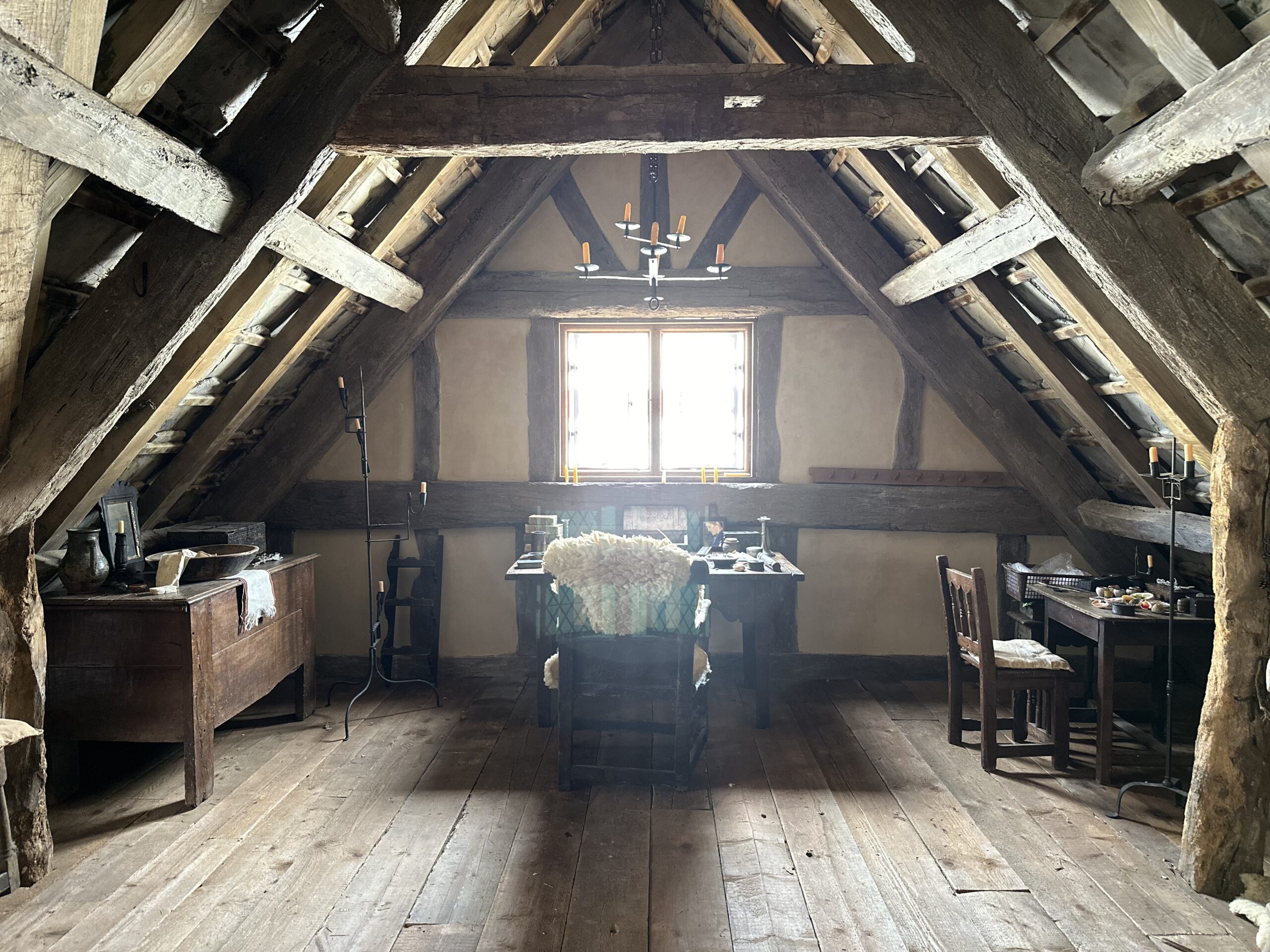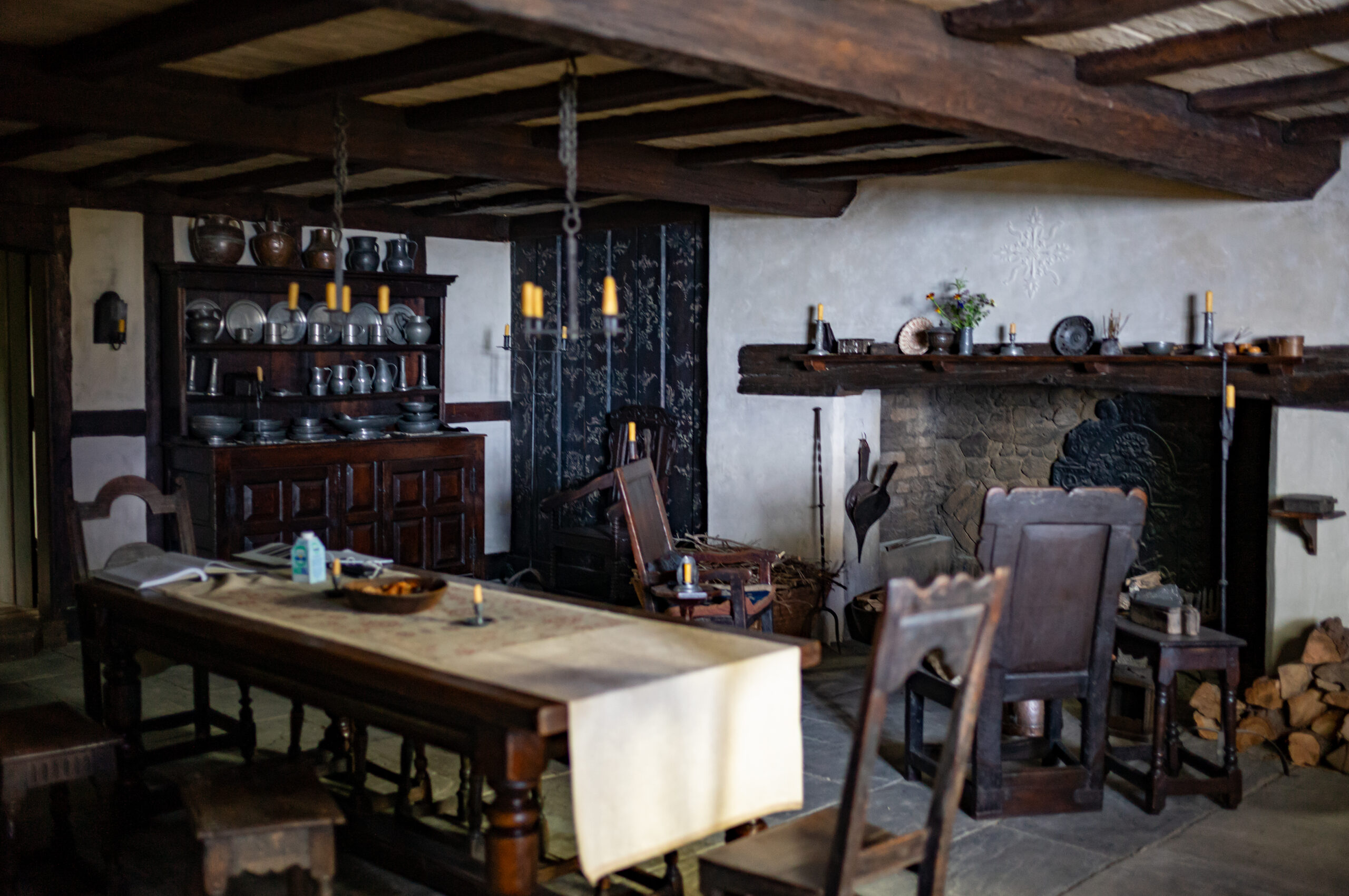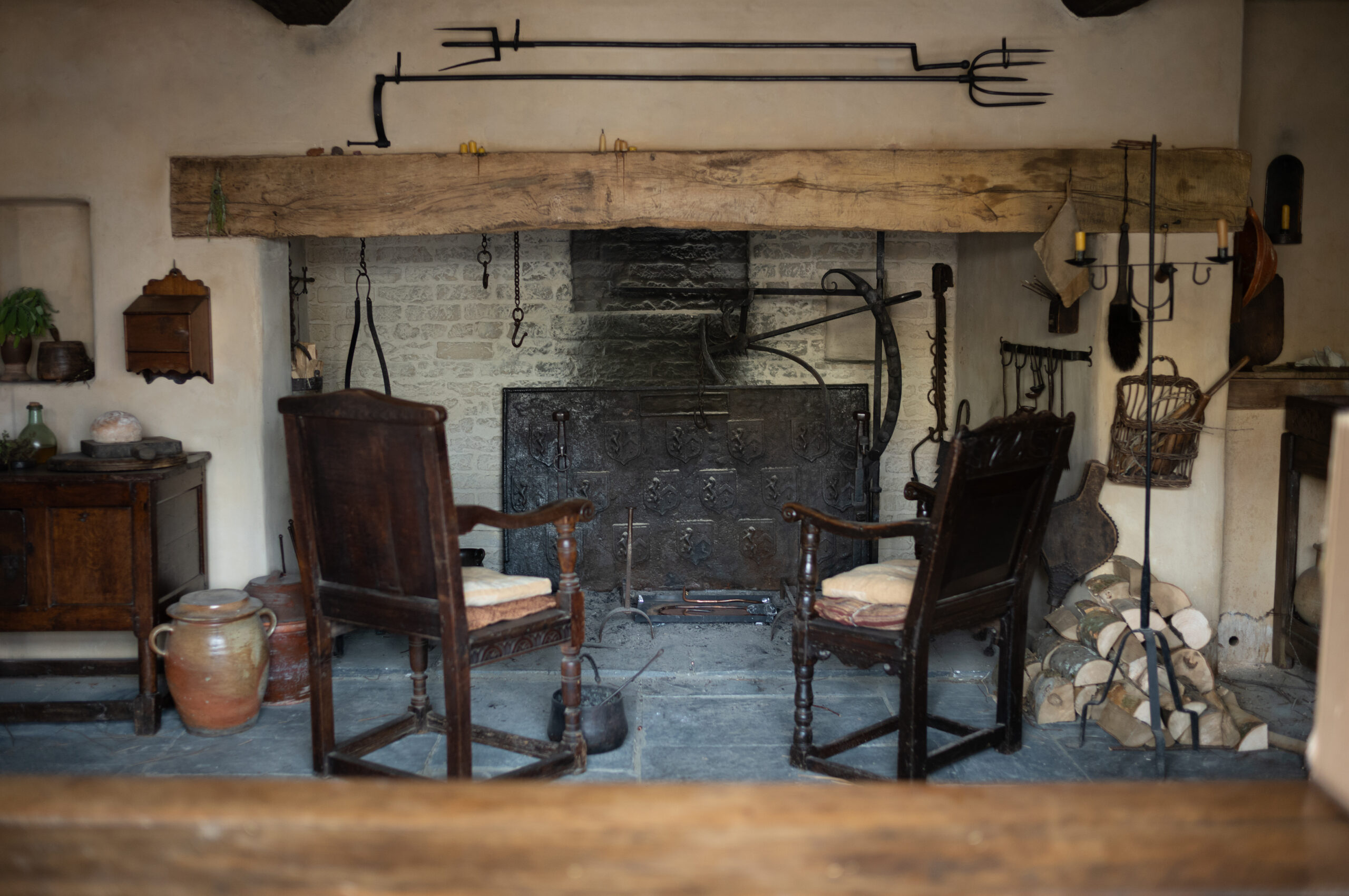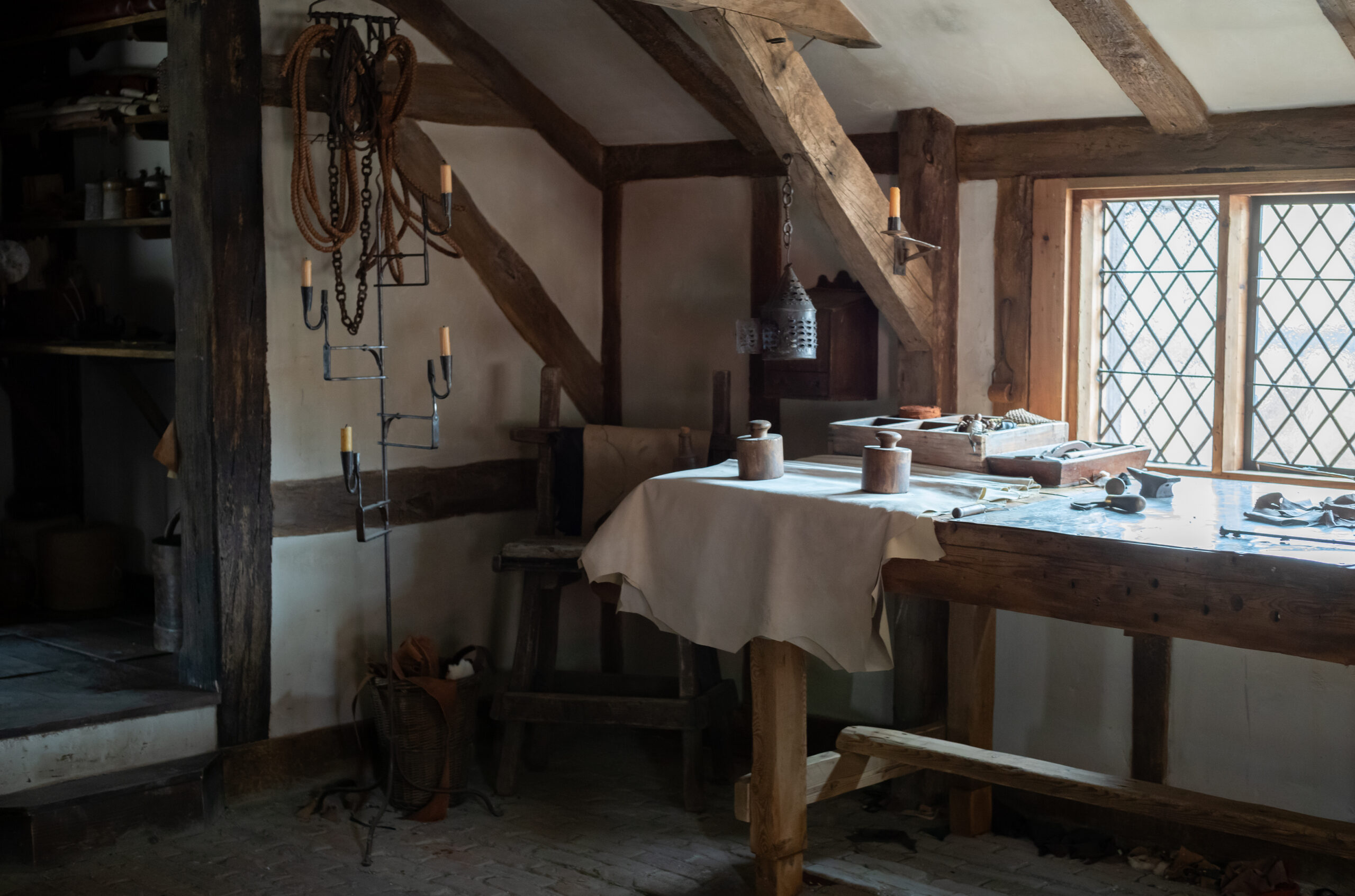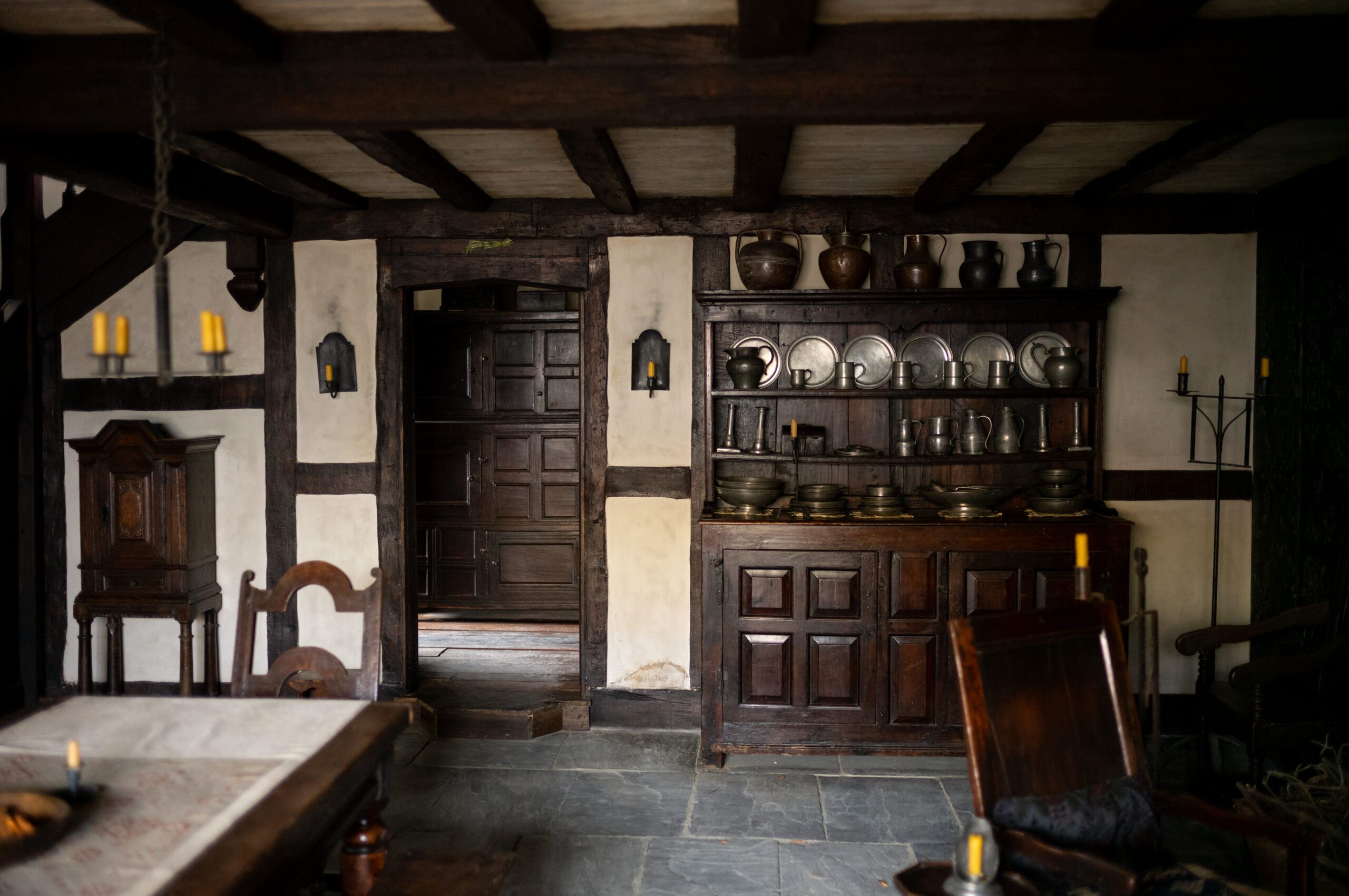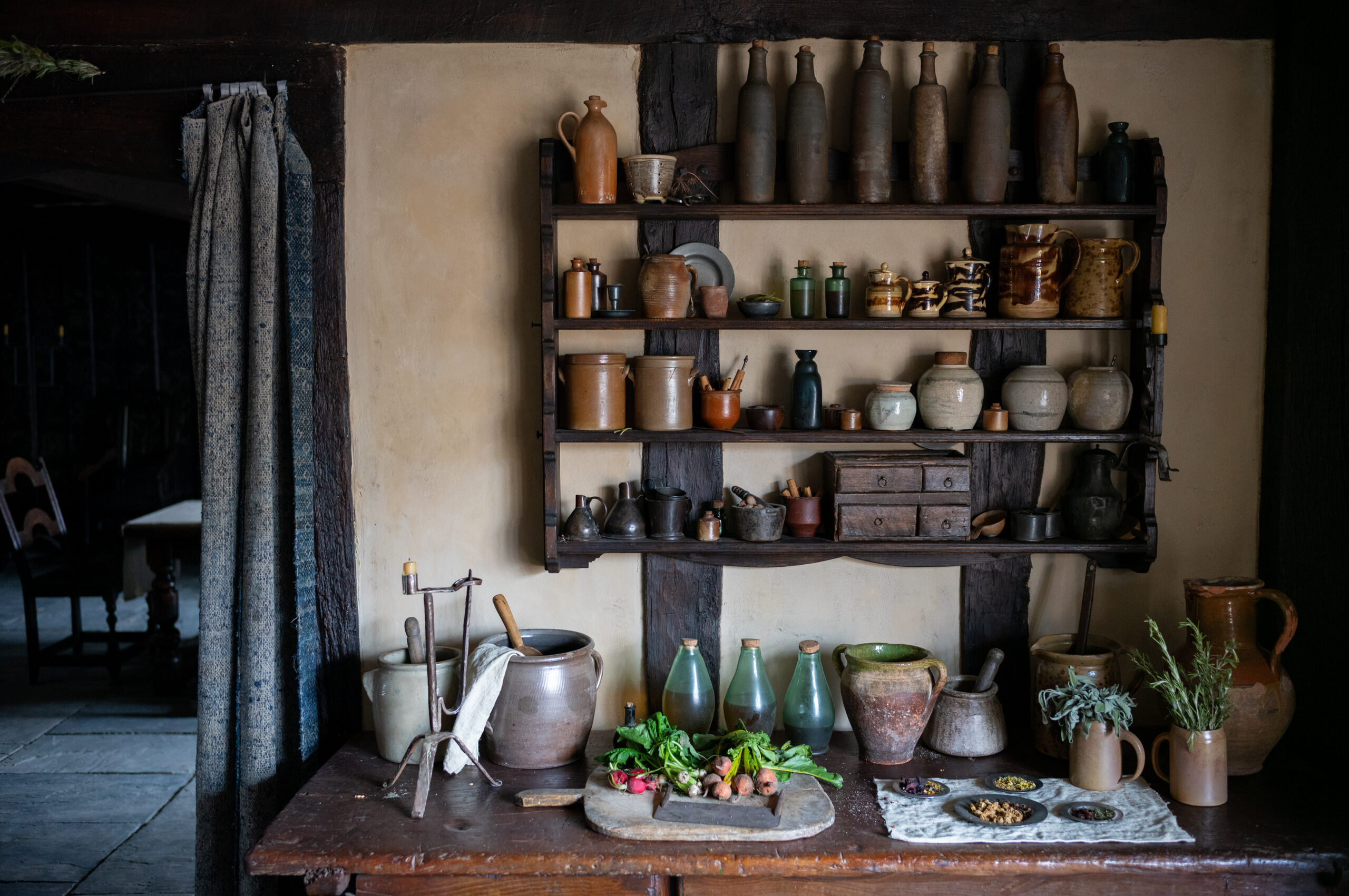
The emotional journey of Chloé Zhao’s Hamnet first begins in the natural world. In fact, most of the film’s sets and locations have anchors within the natural world, reflecting both the film and the novel’s character of Agnes (Jessie Buckley). Hamnet production designer Fiona Crombie, working with set decorator Alice Fenton, fashioned the film’s look to underscore Agnes’s connection to nature in every environment in which she inhabits. Their stunning efforts have been rewarded with an Oscar nomination for Best Production Design.
Based on Maggie O’Farrell’s novel, Hamnet tells the story of Agnes and her husband, William Shakespeare (Paul Mescal), as they struggle with the loss of their only son, Hamnet. While Agnes grounds herself in her environment, her husband reflects his grief in the art that would last centuries. It’s a stunning (and stunningly emotional) story of the tricky path through grief and into recovery.
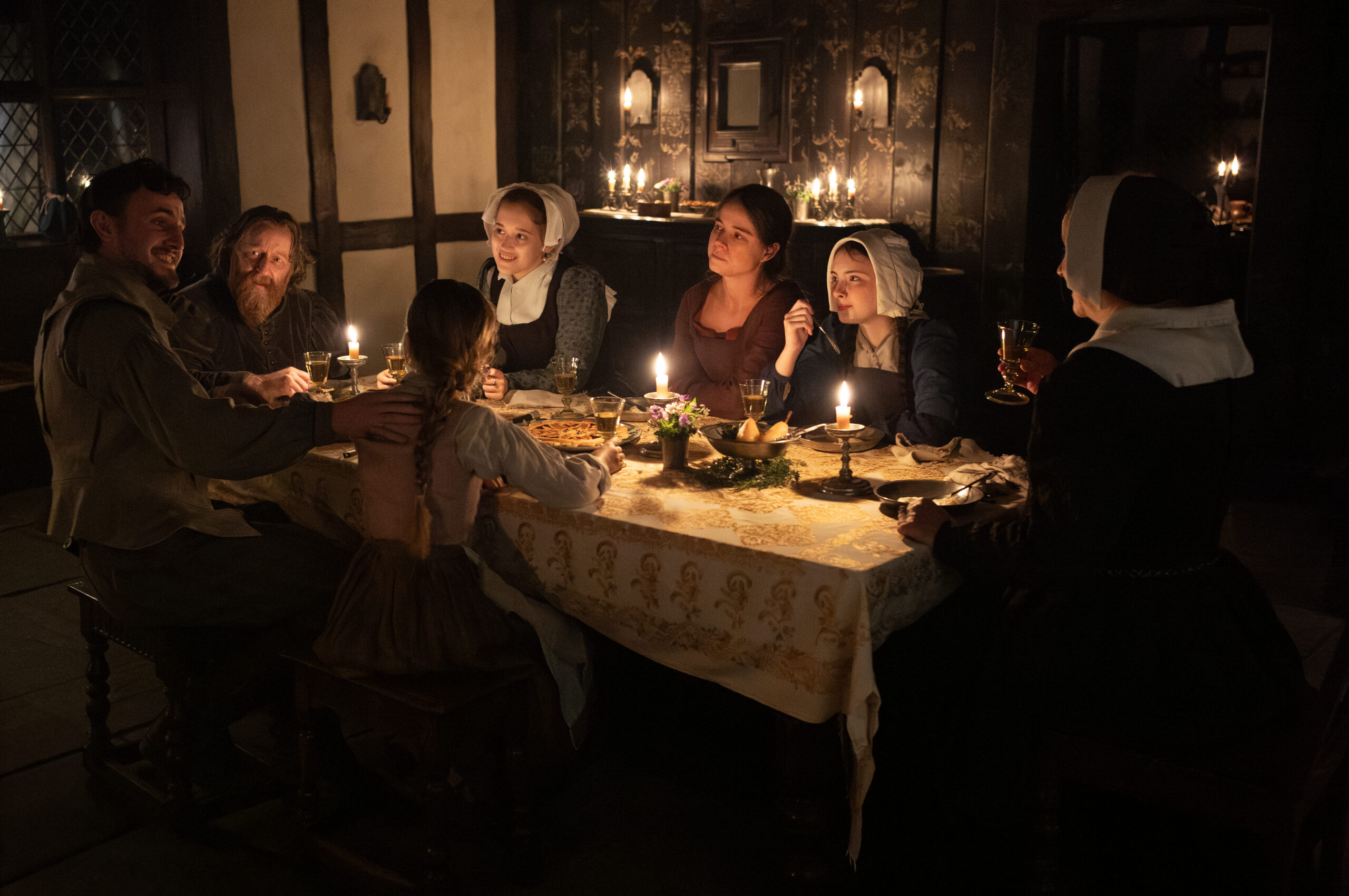
Hamnet production designer Fiona Crombie recreated the world of William and Agnes Shakespeare through their home in Stratford-upon-Avon and in Will’s London-based Globe Theatre. She subtly blends information from O’Farrell’s original novel and from Zhao’s intent for the film to create the world in which these characters live and breathe. From rural locations to the Shakespeare’s increasing fortunes to the climactic Globe Theatre, Crombie and Fenton sought authenticity first and foremost.
Here, in an interview with The Contending, Crombie and Fenton discuss their process in bringing O’Farrell and Zhao’s vision to life. Set photos follow our conversation.
The Contending: What was your relationship to the original novel? Did you look to passages for inspiration, particularly with the family homes?
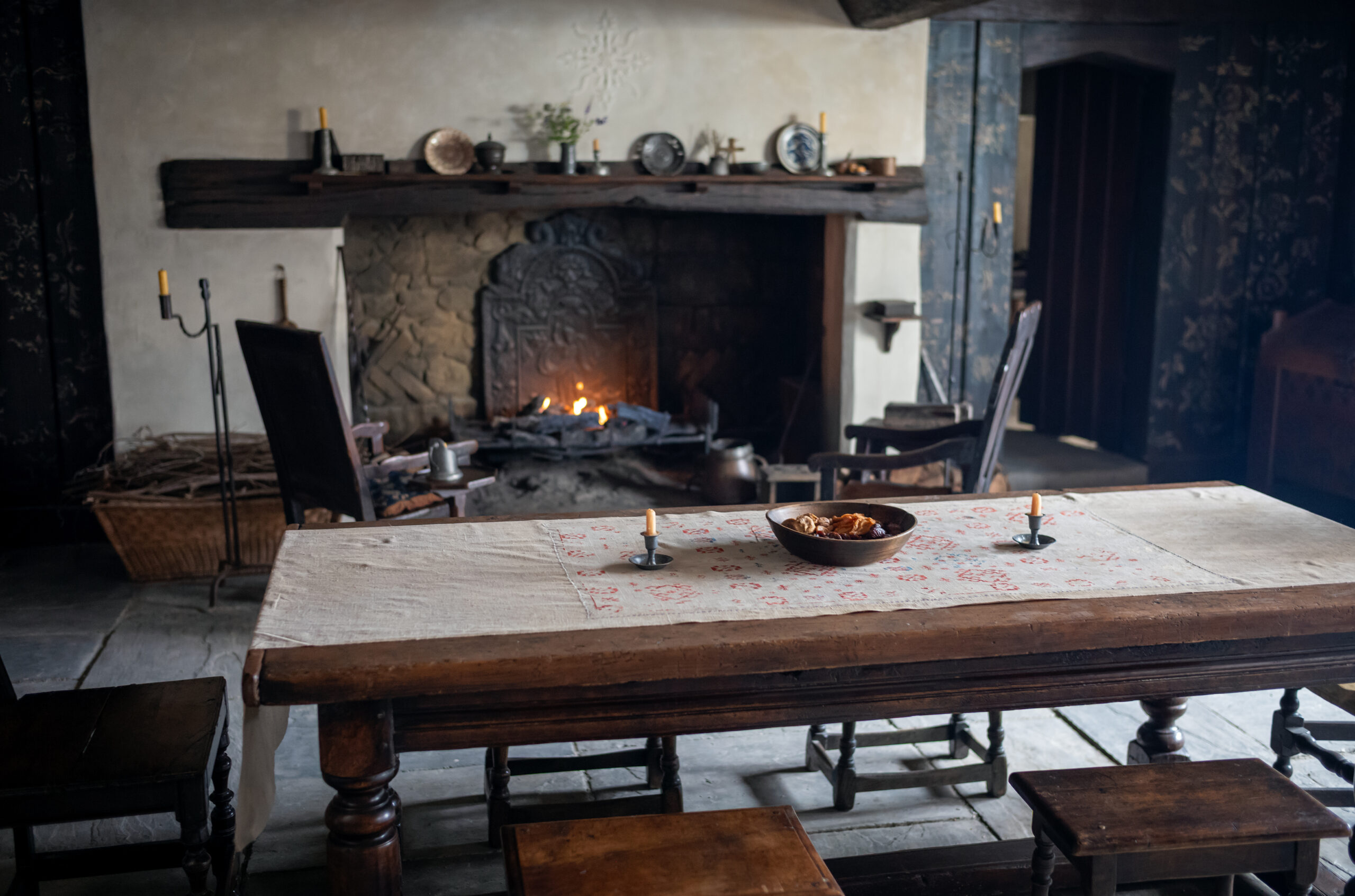
I knew the novel before we started the film. A good friend had recommended it when it first came out and I loved the story. I loved Maggie O’Farrell’s writing and the world she created. I constantly went back to the book; it was a huge source of inspiration, research and guidance for how this family lived and what surrounded them. The novel is full of rich detail and descriptions of interiors, as well as historical references.
The Contending: When beginning the project, what conversations did you have with Chloé about the overall visuals to be employed in the film?
Chloé was always seeking emotional authenticity and a closeness to the characters, both in the interior and exterior worlds. She responded strongly to environments that carried meaning and emotional resonance. She was a wonderful director to work with. She trusted us completely, and when she gave a note it was always precise and necessary.
The Contending: Many of the film’s early scenes are set in nature, given Agnes’s proclivity to the natural world. First, tell me about the process of finding the fantastic forest locations for so many early key moments?
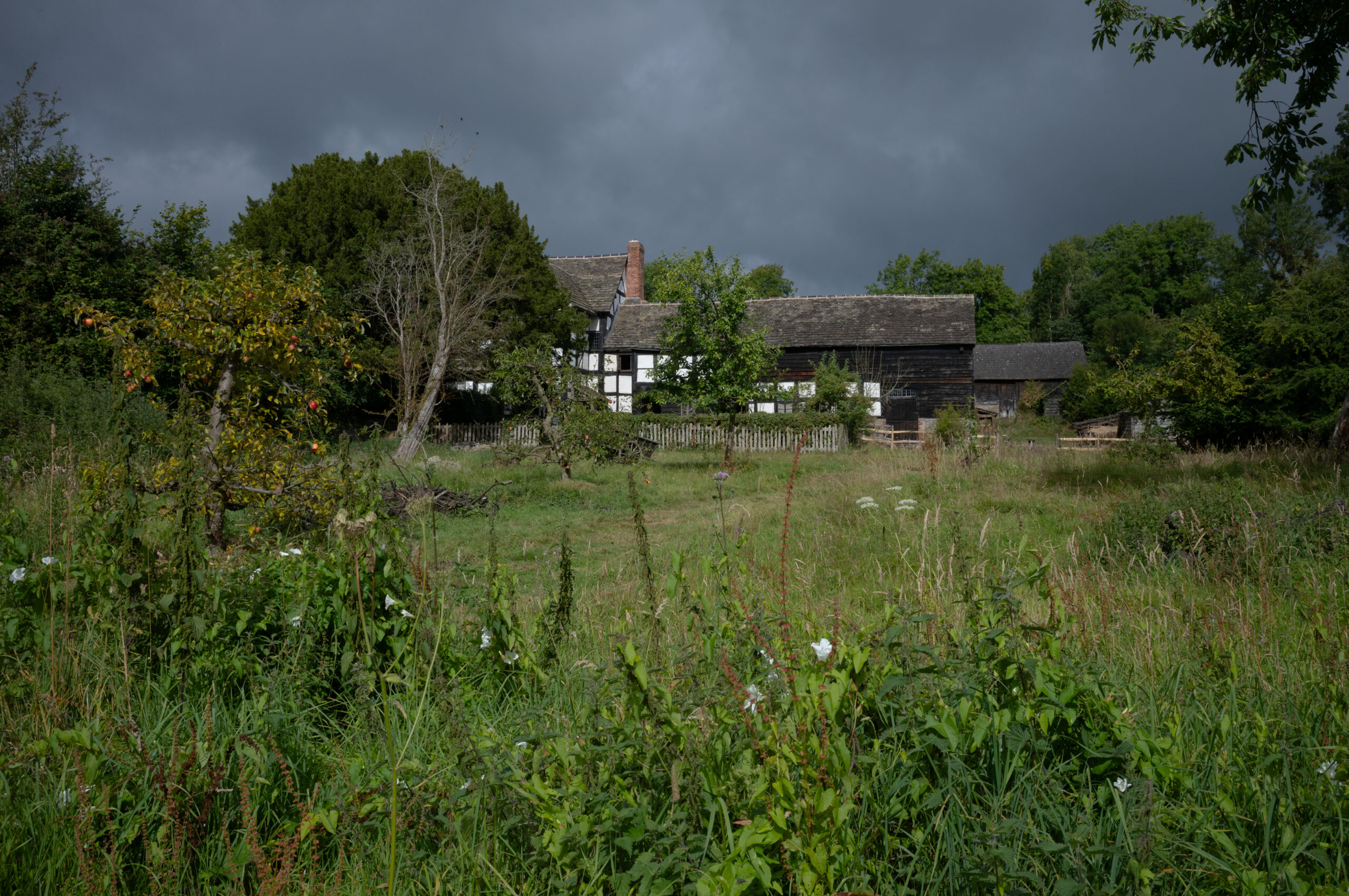
Fiona and Chloé found the forest with our location manager, Lindsey. When they arrived, they knew it was the right place. It had an instinctive feeling of truth for Agnes and for the story.
The Contending: Second, how does Agnes’s love of the natural world continue in town-set locations?
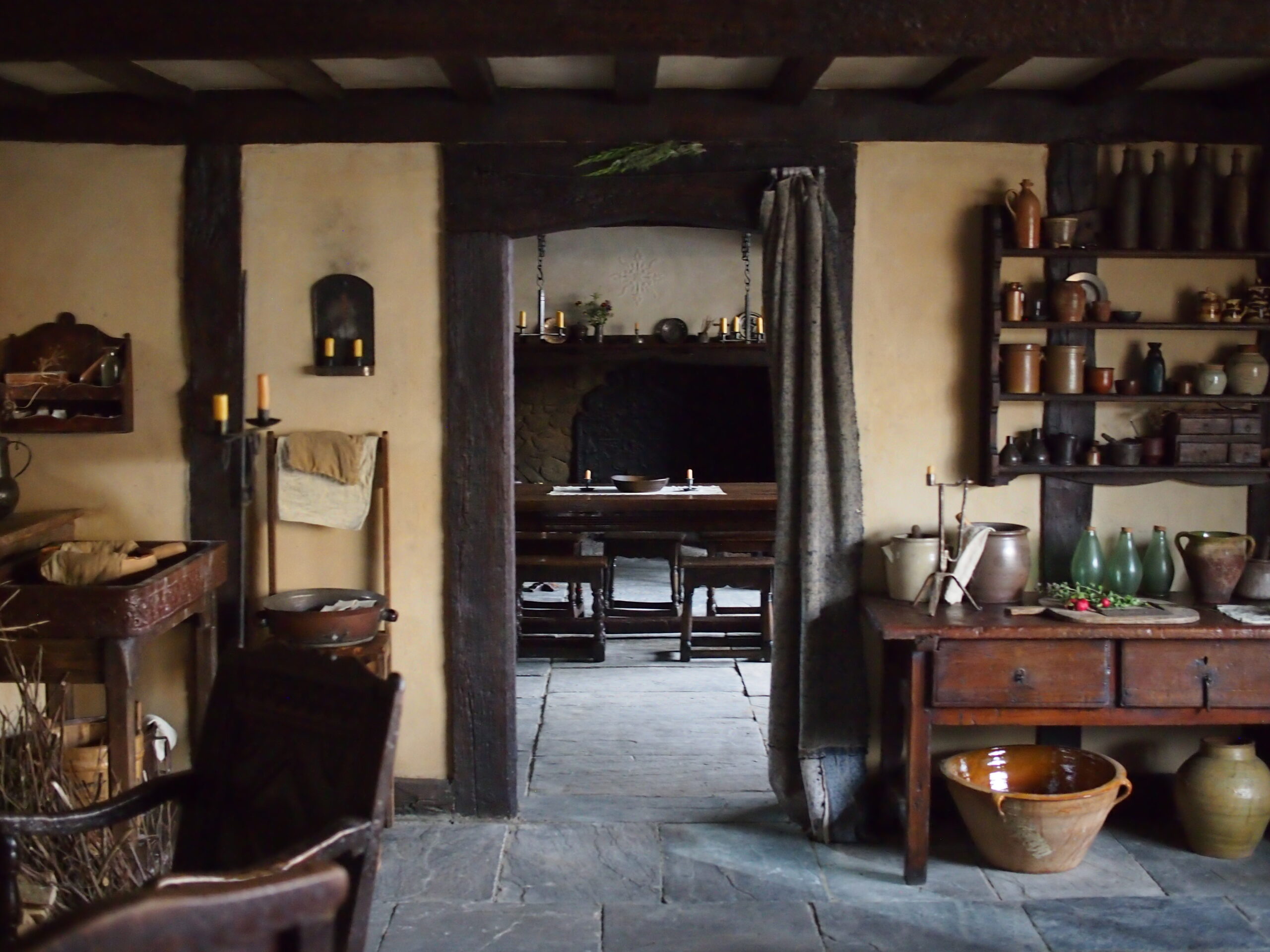
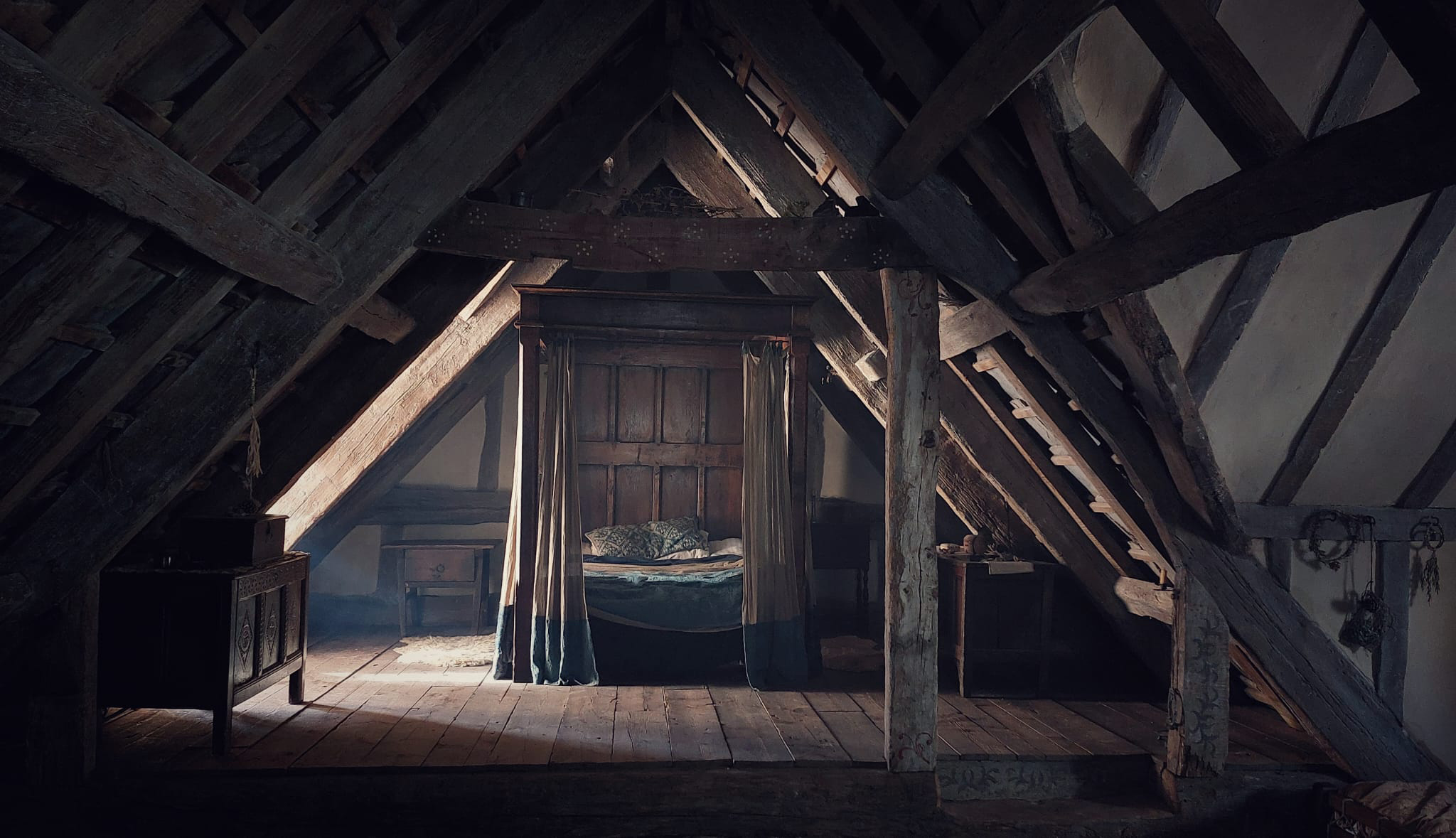
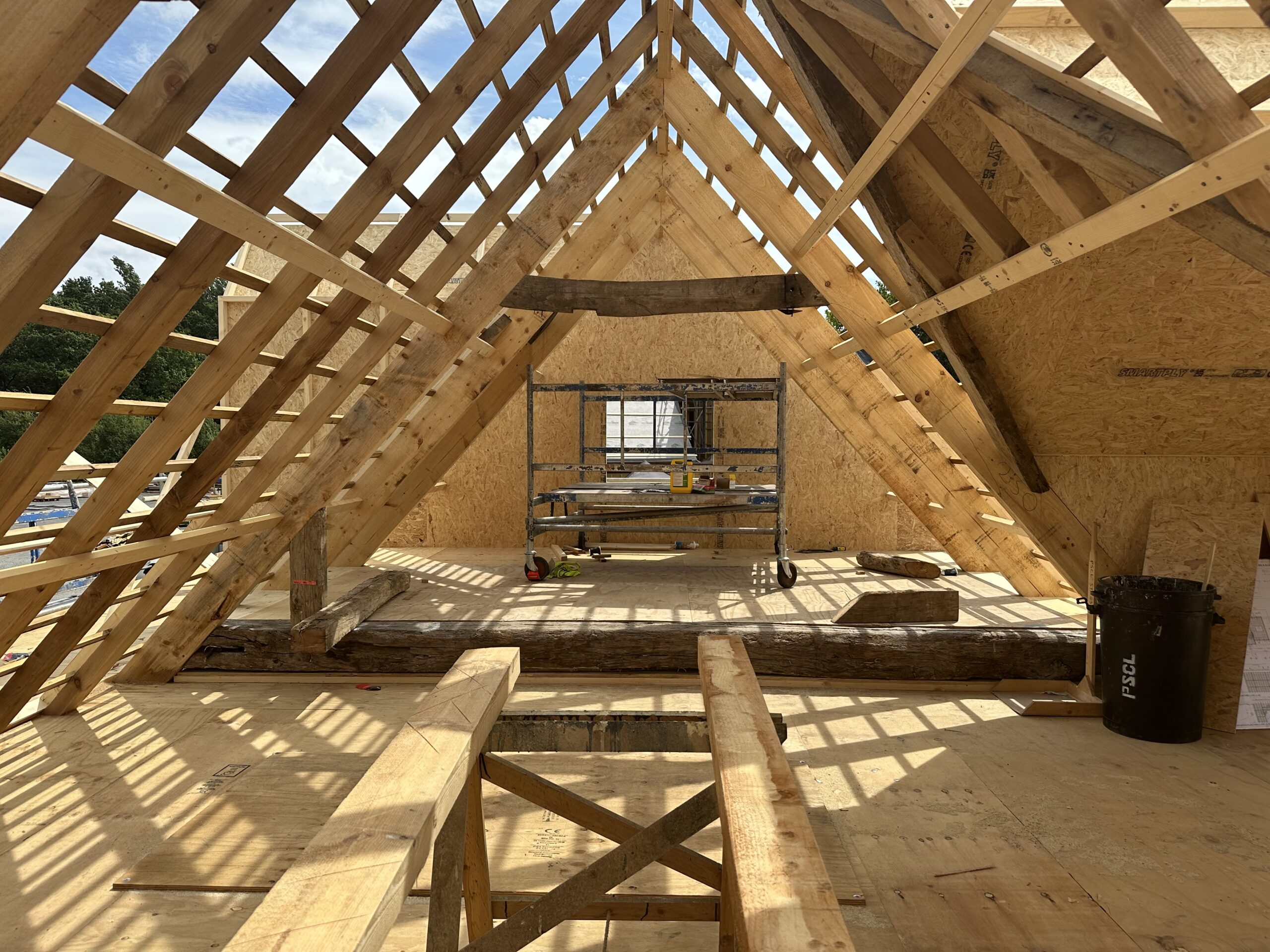
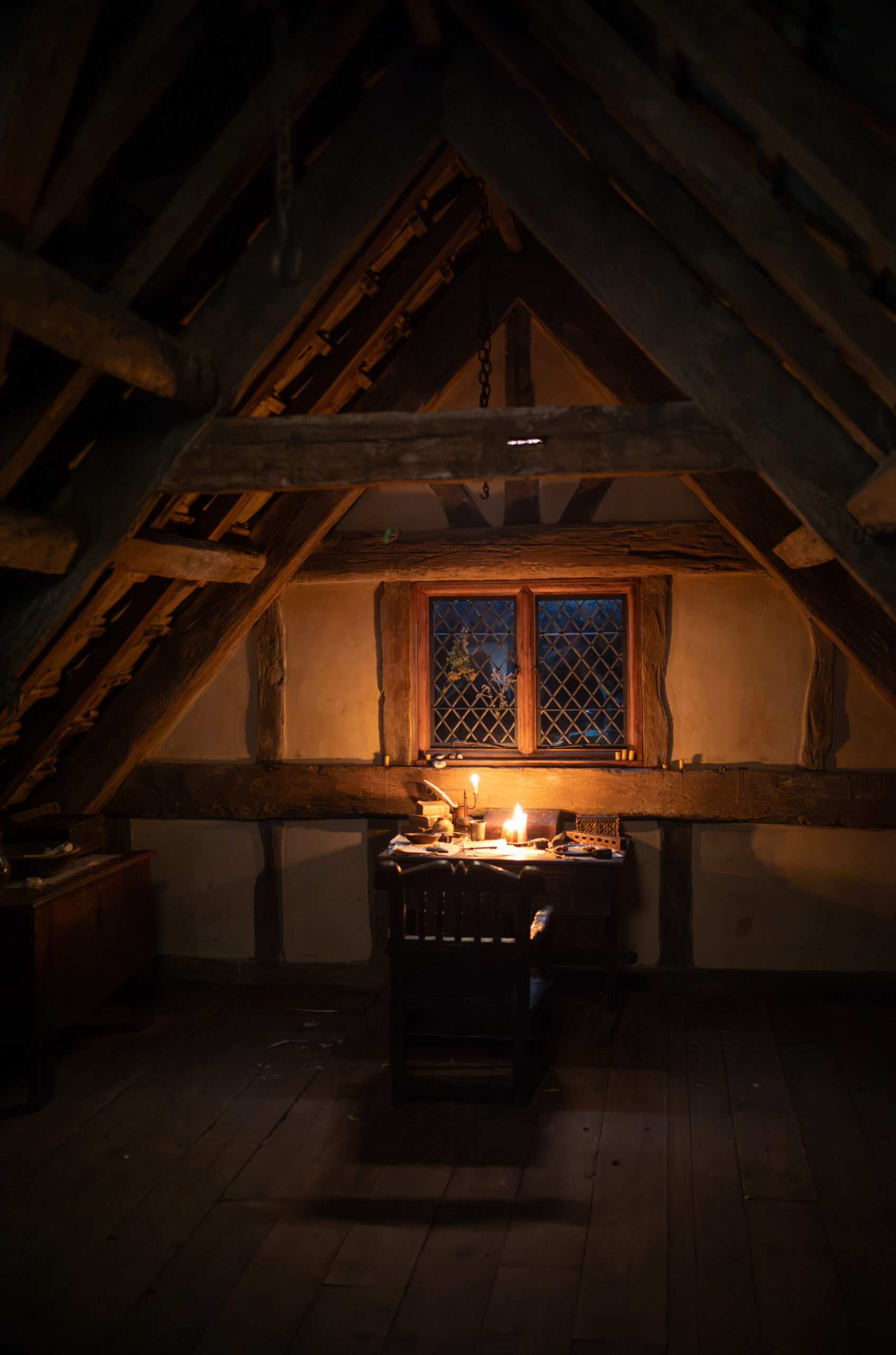
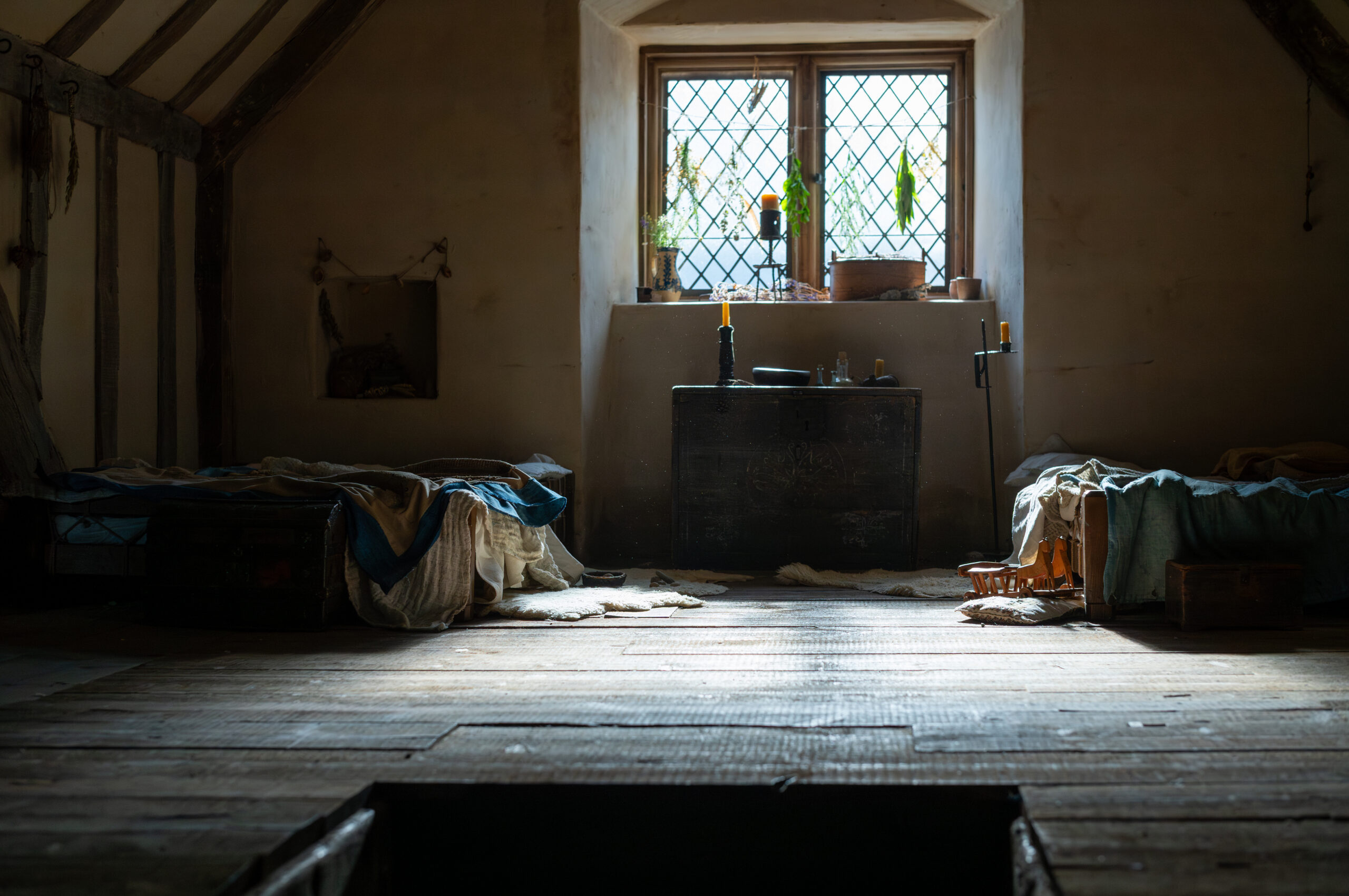
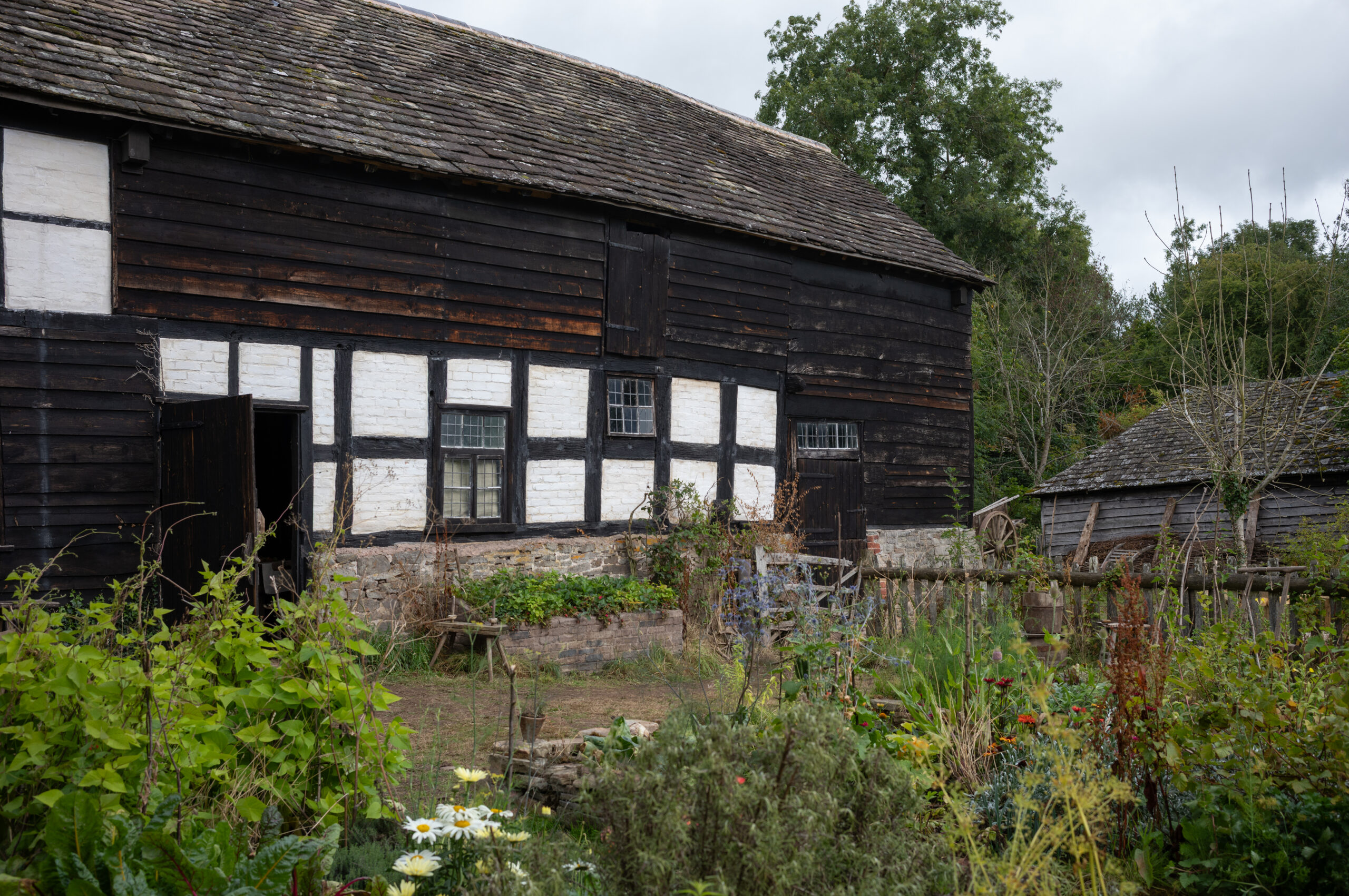
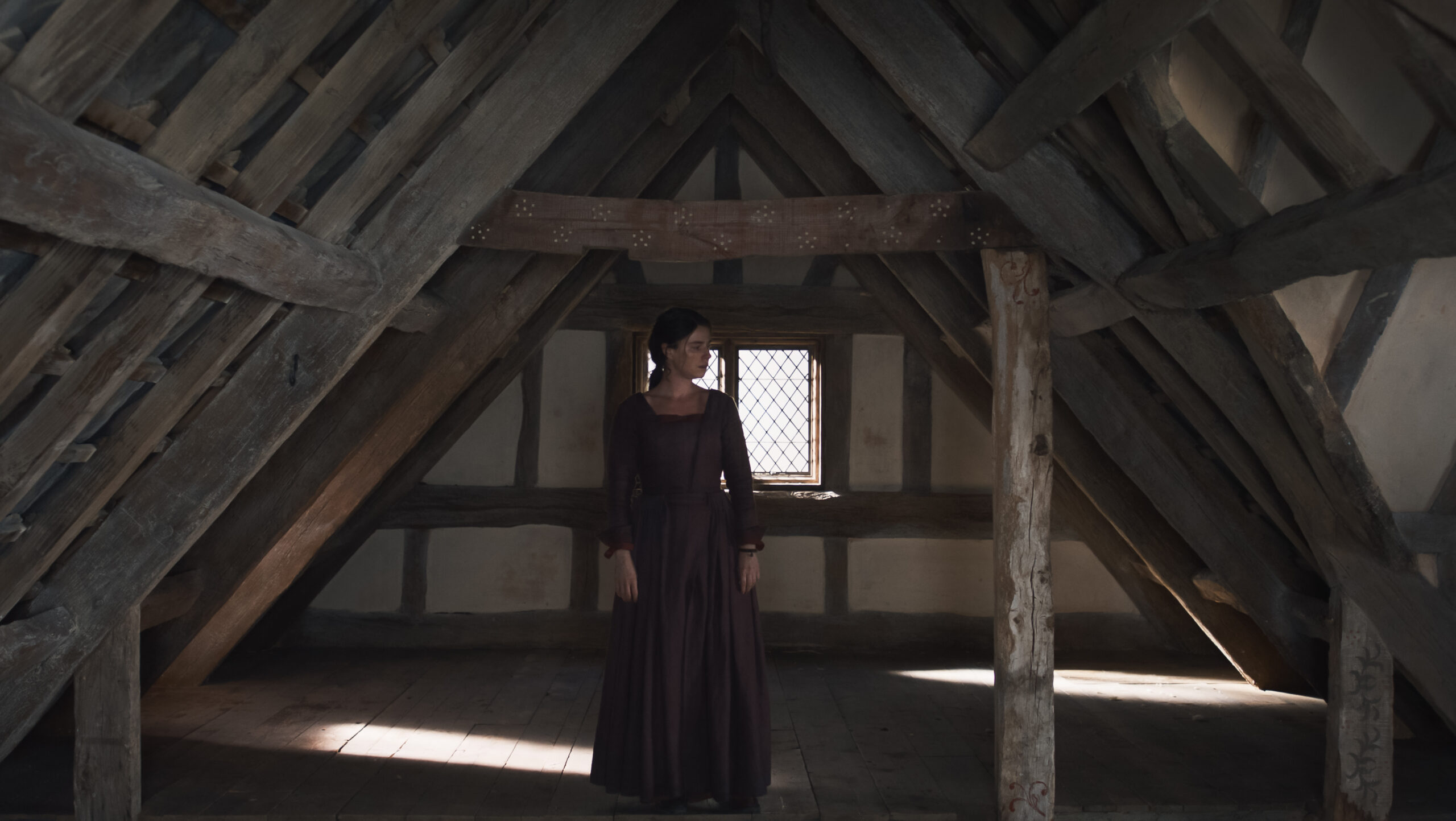
When Agnes arrives in Henley Street after she marries Will, we wanted to bring elements of her connection to nature into every space she inhabits. This was done through carefully selected herbs, both fresh and dried. A slightly unmade bed, tones of burnt orange and deep red, and natural textures helped carry her presence into those interiors.
The Contending: I had so many preconceived notions of how Stratford-Upon-Avon would look given the period. How did you determine the layout of the town and how the various houses would be visualized?
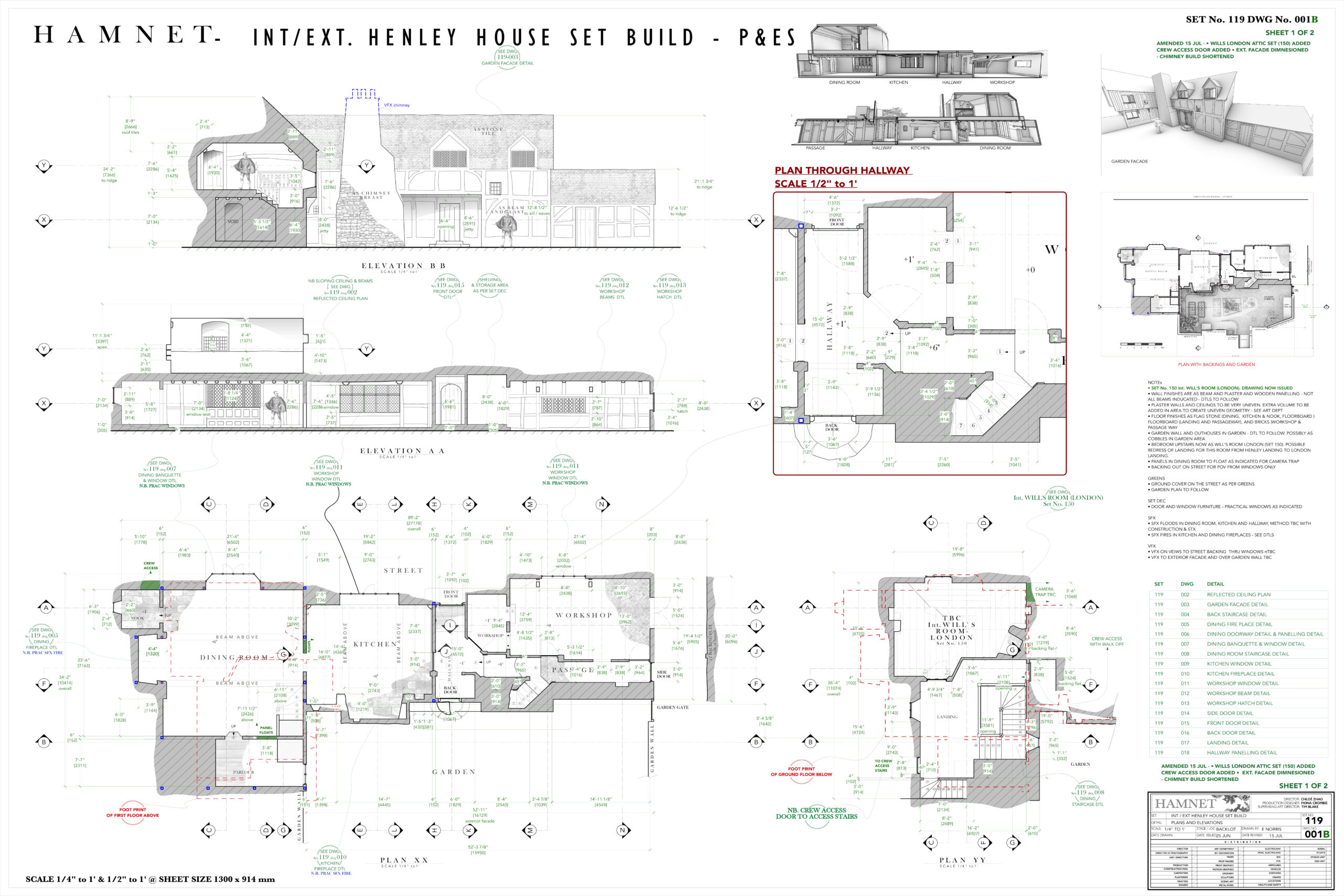
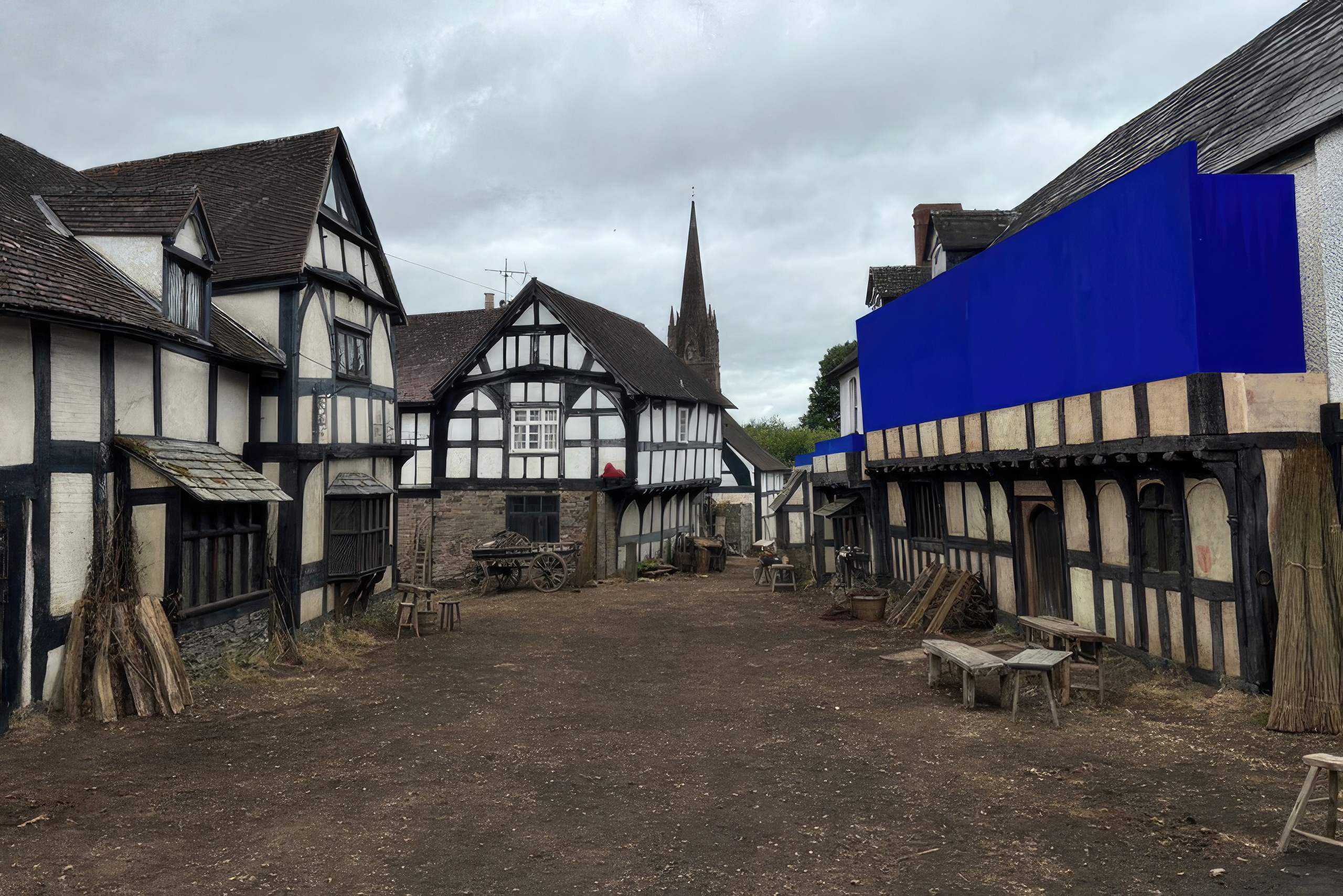
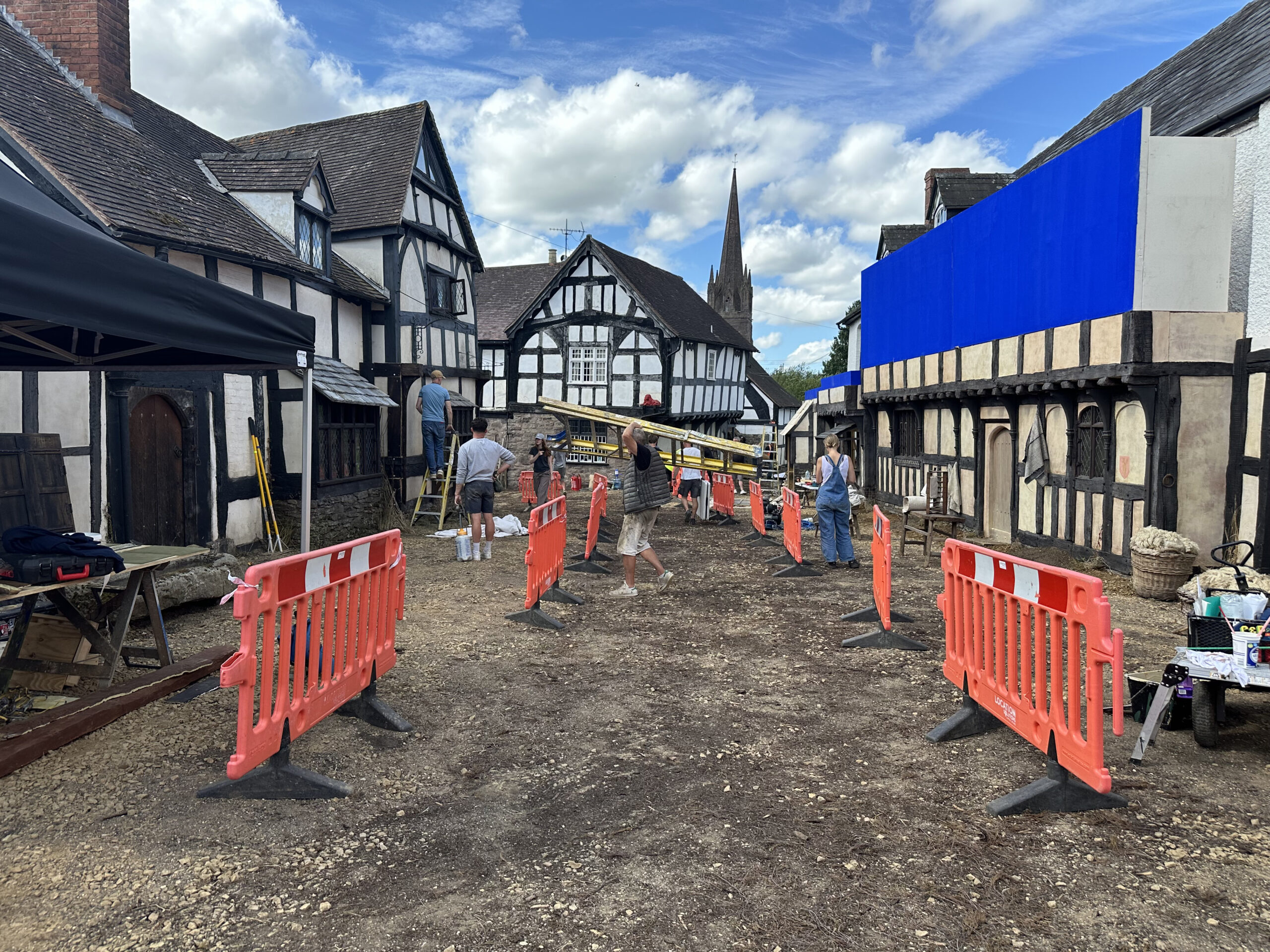
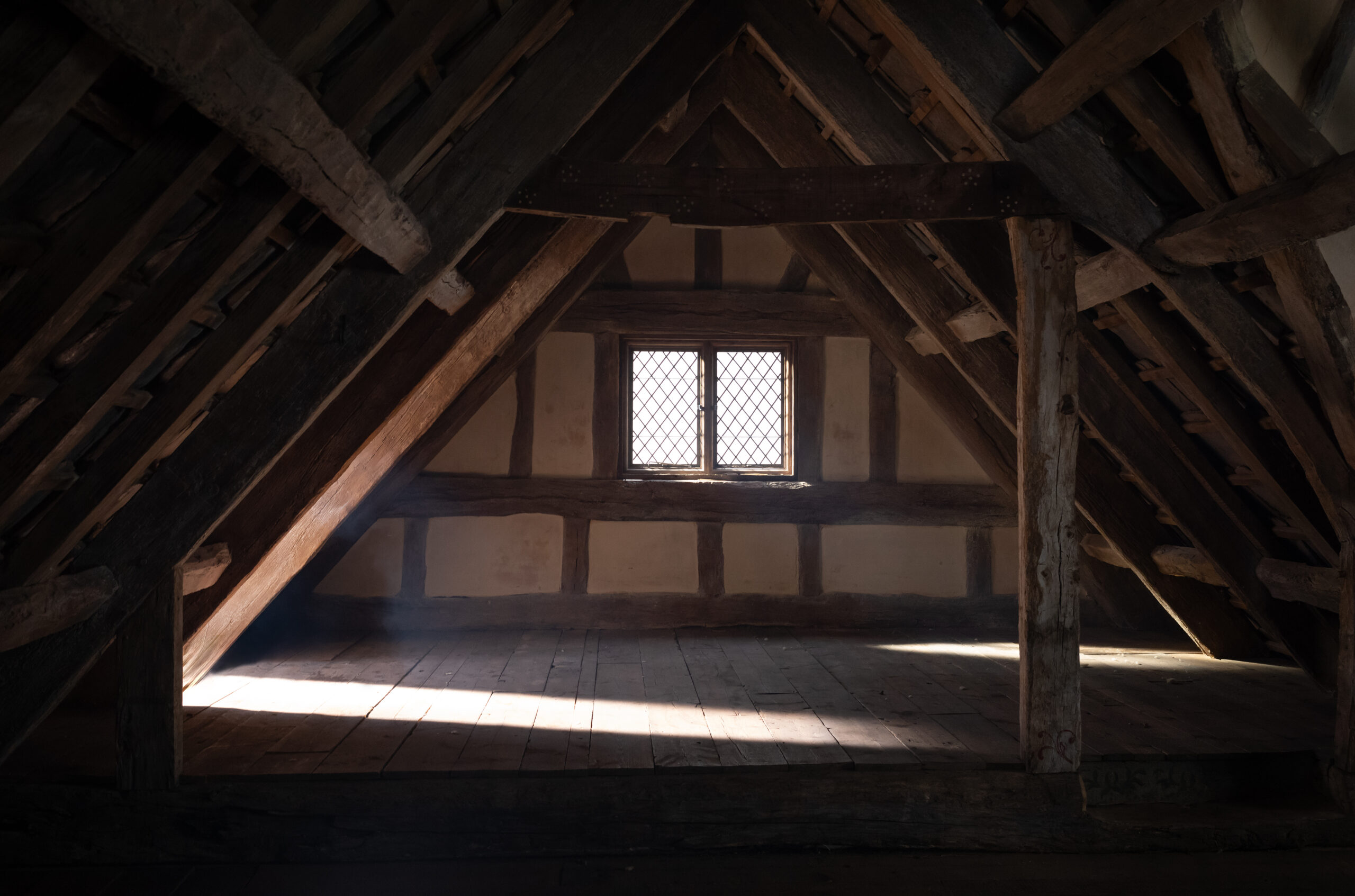
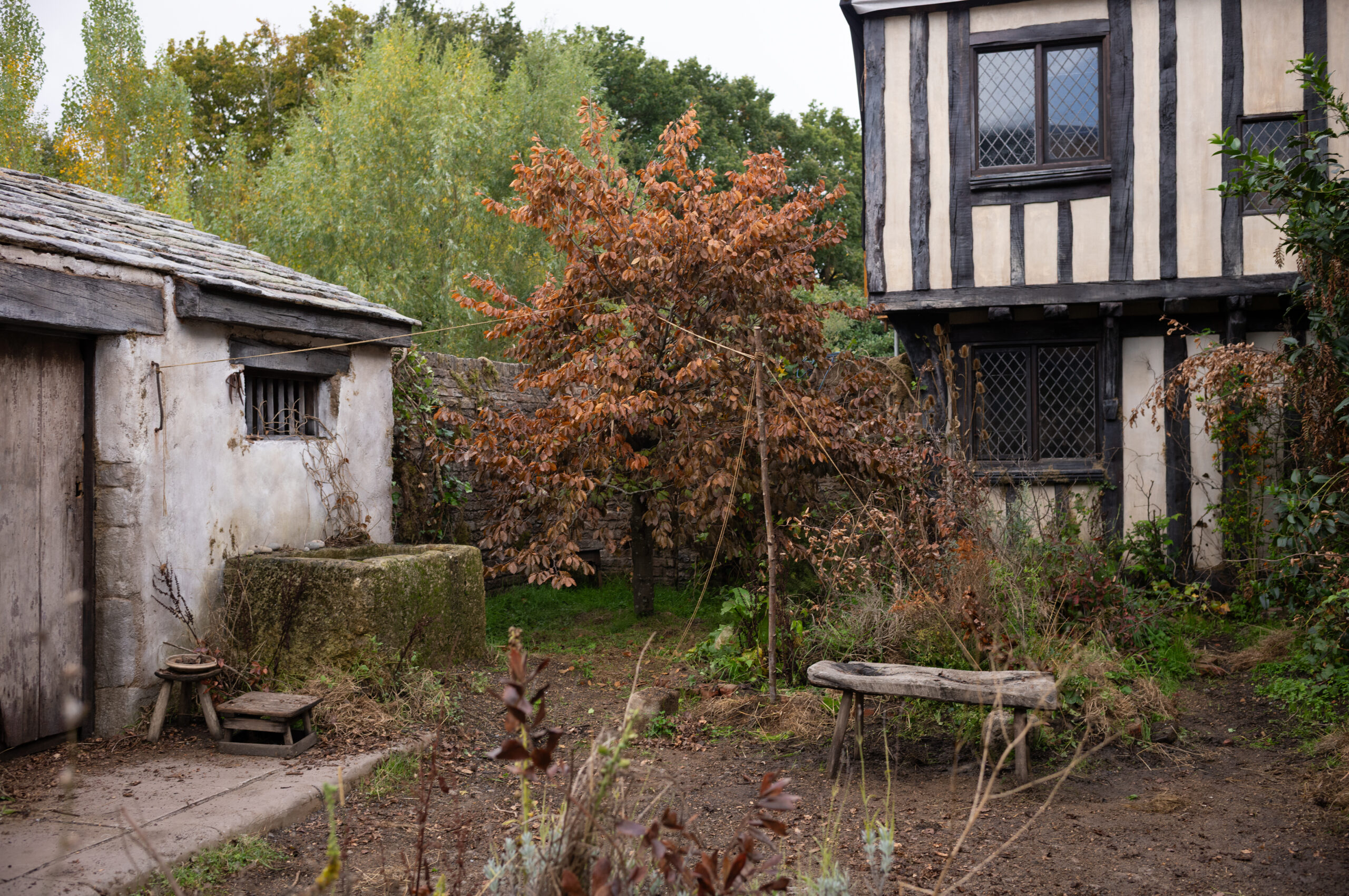
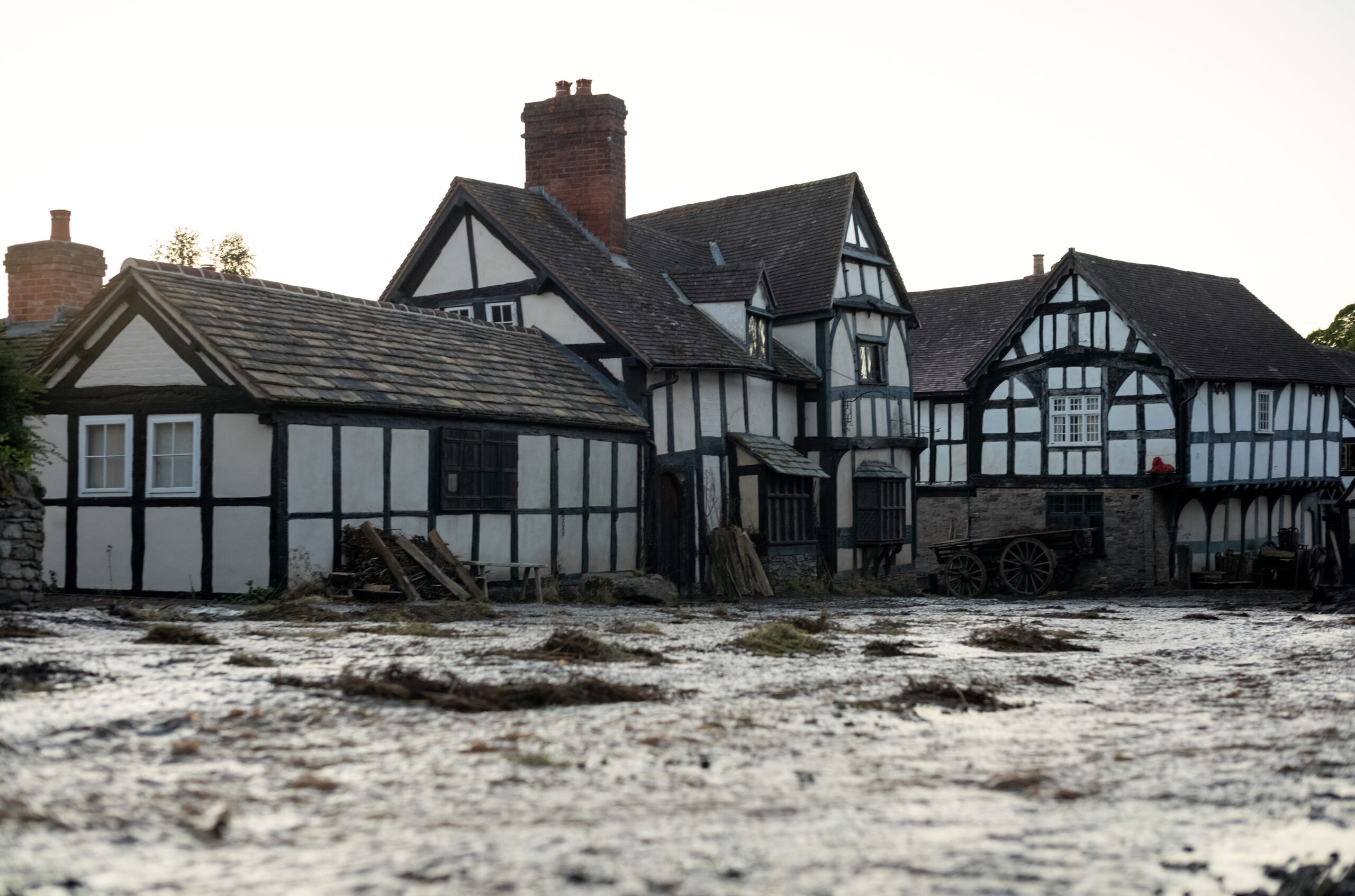
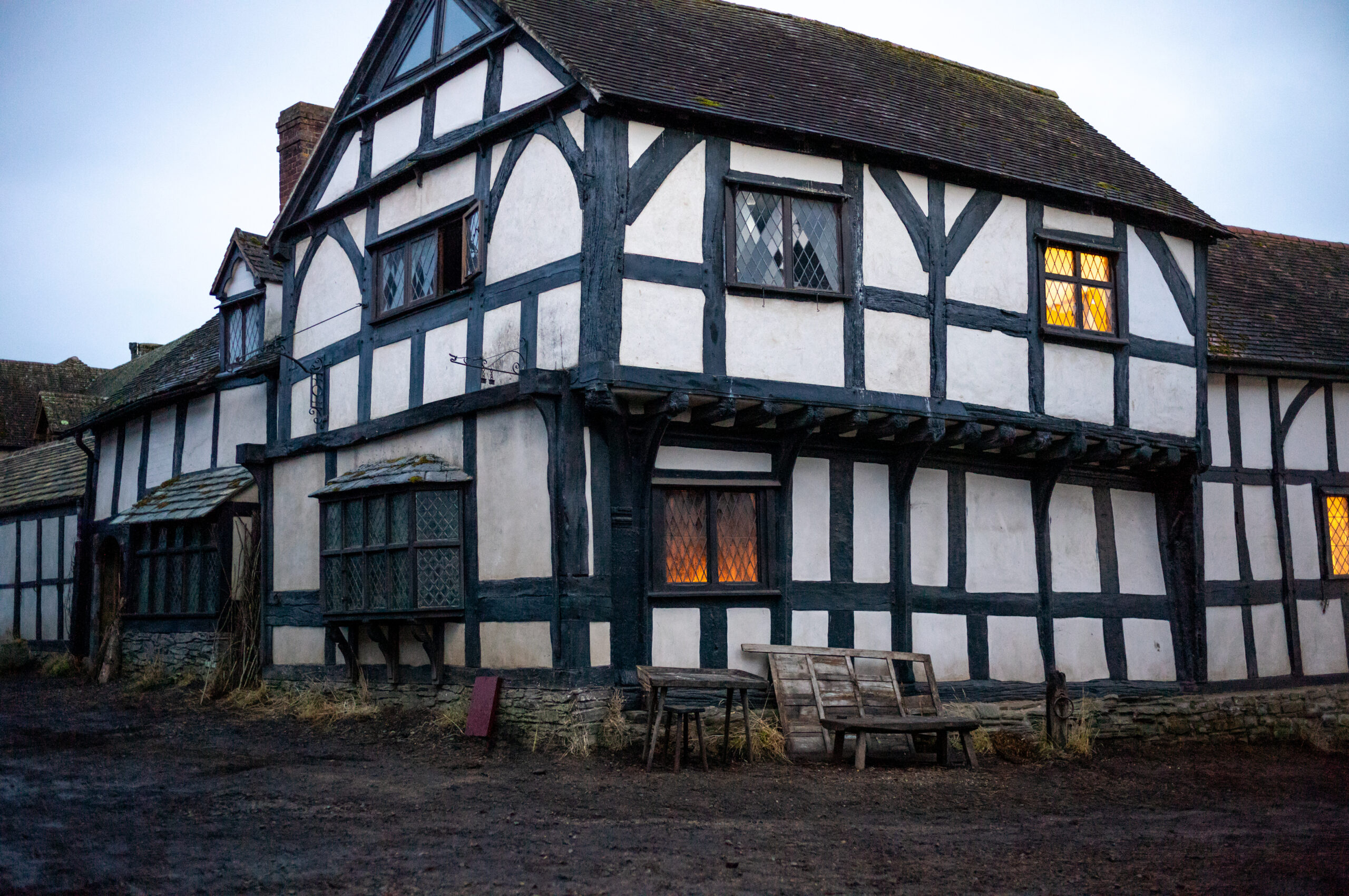
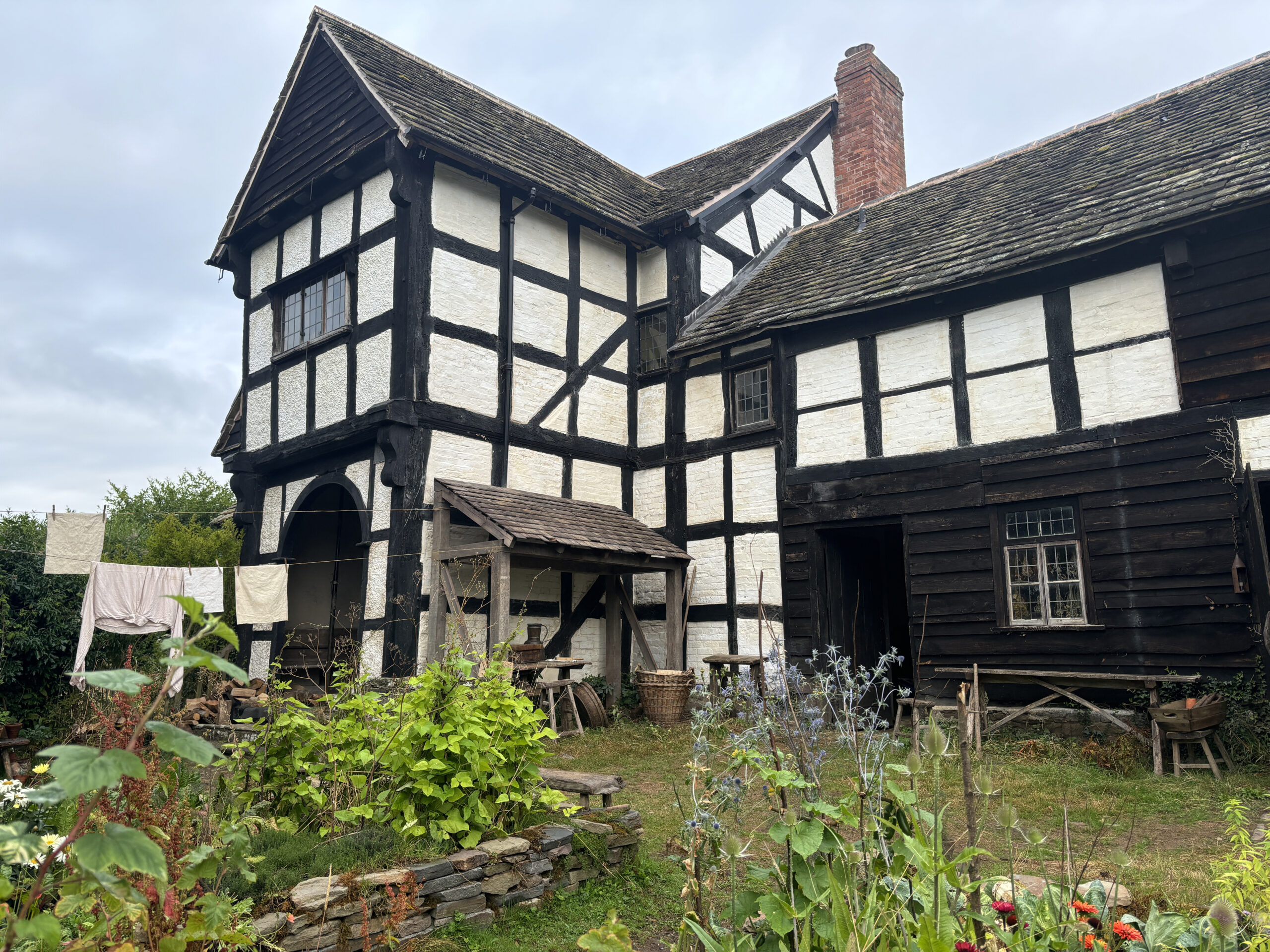
We worked with an existing location for the exterior street and adjusted the houses, adding façades and creating a dirt road. It was a strong fit for Stratford-upon-Avon and gave us good angles for our exteriors. The locals who live there seemed to enjoy seeing the transformation. We worked with the natural shape of the village, and Fiona and Chloé were careful in finding a location that felt right for this part of the story. Weobley had never been filmed before, so it felt fresh and new as a setting.
The Contending: Tell me about working with Alice to find the period equipment for the Shakespeare tannery and for Agnes’s natural remedies.
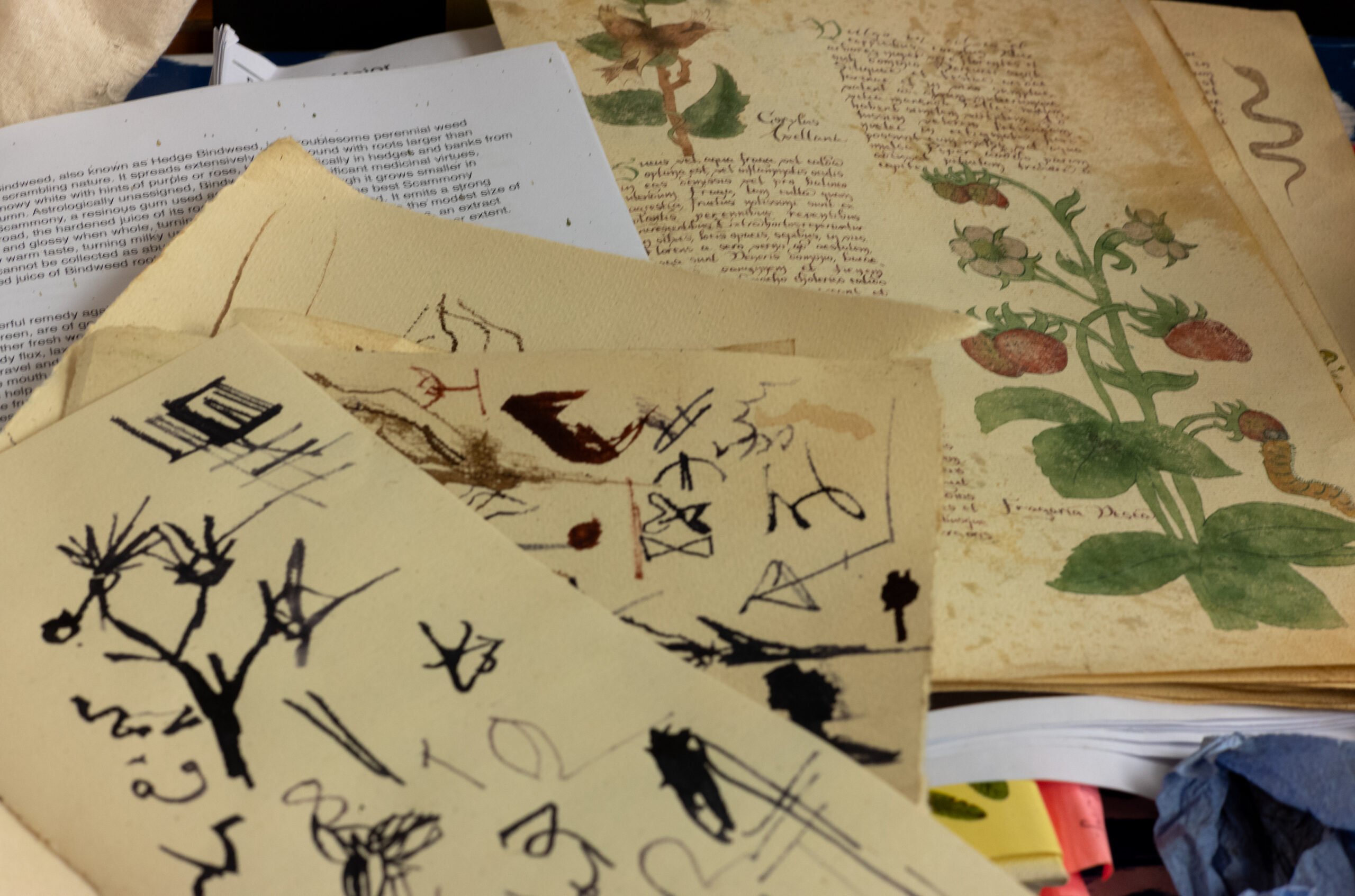
It was a delight to immerse ourselves in the details of Agnes’s herbal world. We had fantastic support from Kim Walker, a herbalist, and Amanda Willgrave, our florist. Kim worked closely with Jessie, foraging and mixing herbs. Amanda planted a real herb garden at Elstree Studios, which we cut from daily to dress the sets. Lizzie Bravo, our action prop buyer, was essential in sourcing detailed and period-correct pieces.
For the glove workshop, we had a skilled team of leather workers creating beautiful recreations of gloves, both finished and partially made, along with tool rolls, storage and leather components. For the leather tools, we found a collector in Paris with an extensive collection of period pieces. The entire set had a strong sensory quality — leather, stone and wood. Walking into the glove workshop, you could see all the elements that go into making a glove: the colour of the leather, the lace or trim, the buttons and the finishing details.
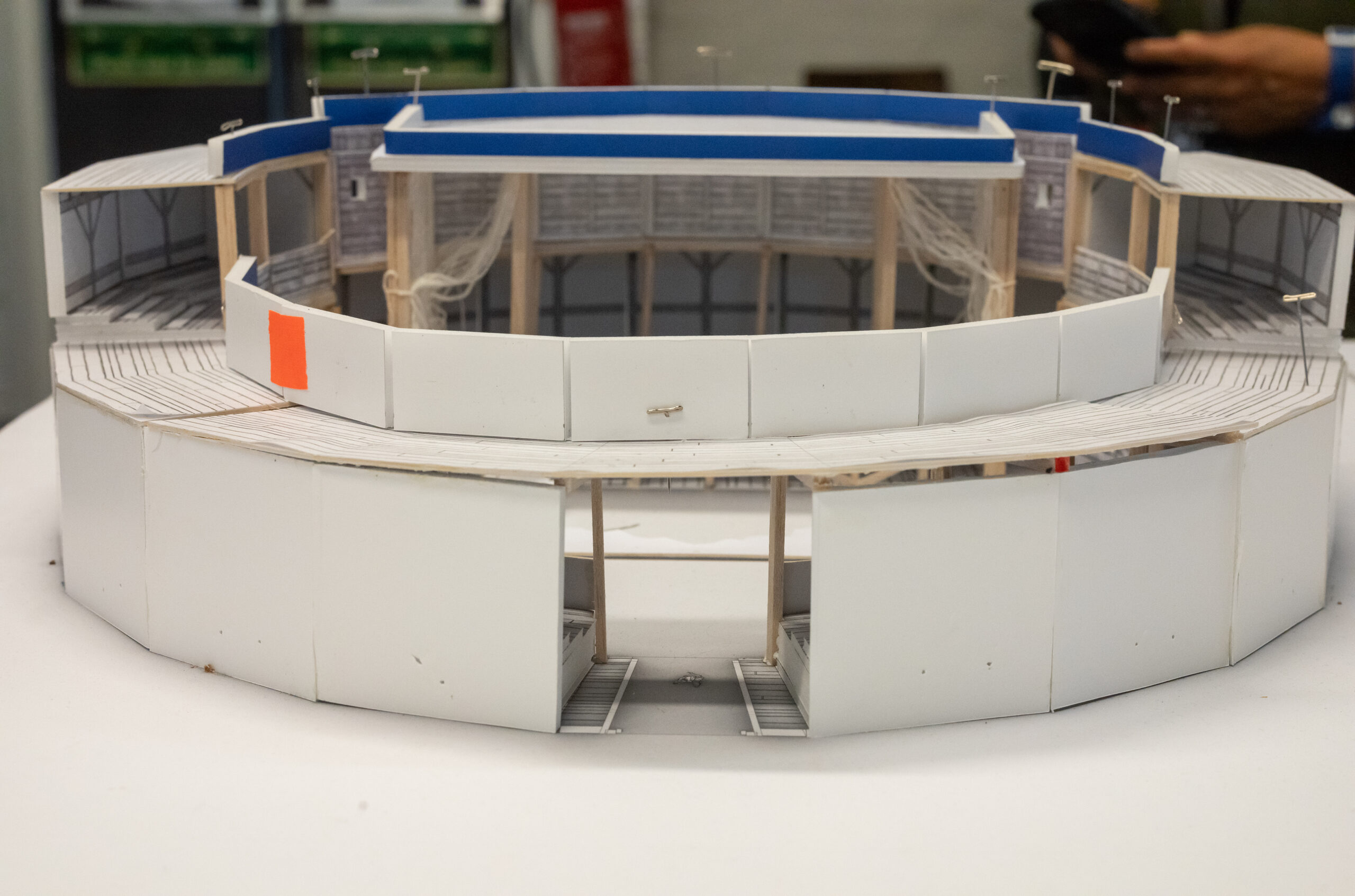
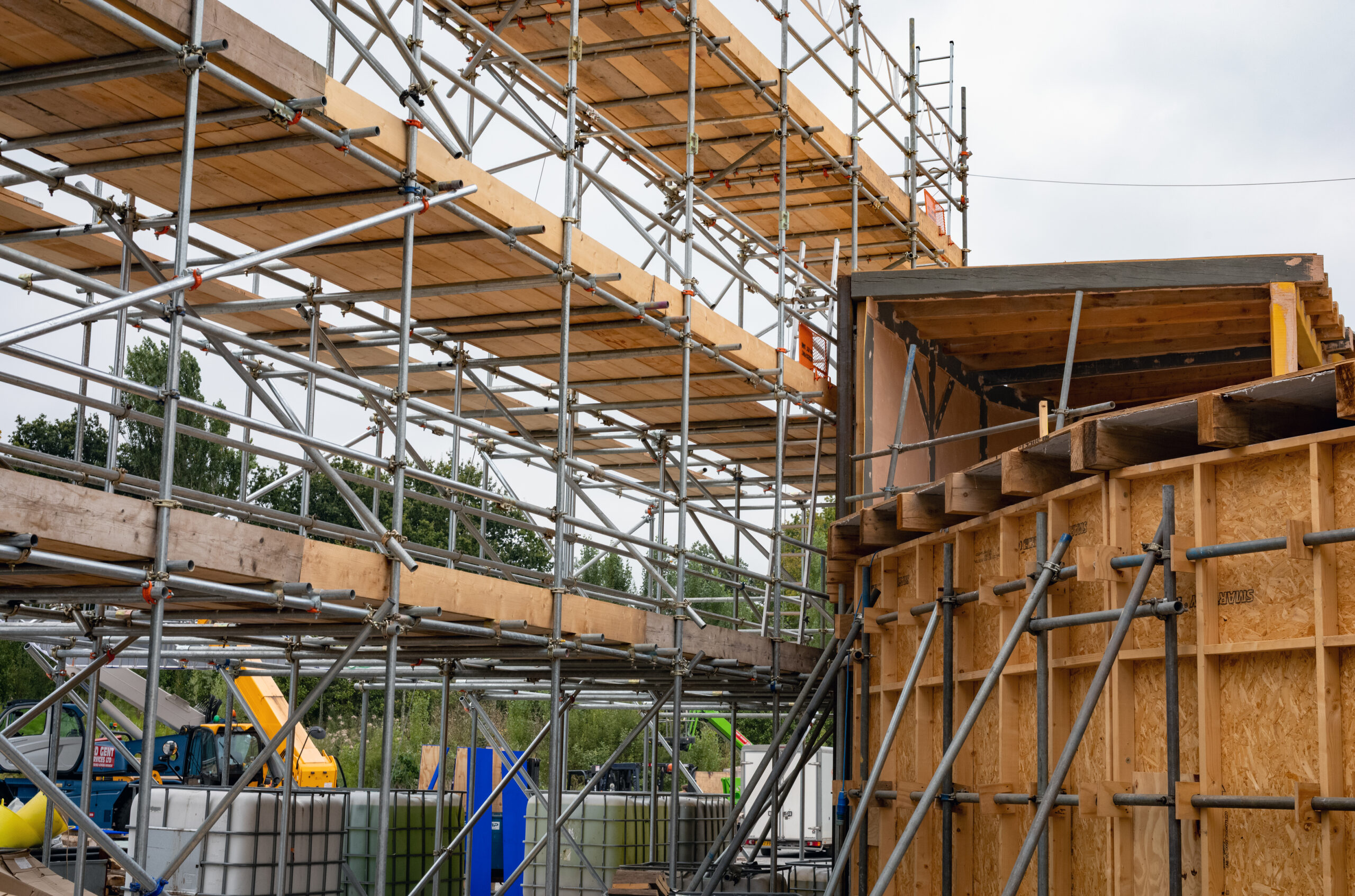
The Contending: You recreated the Globe theater to-scale. What goals did you have for this set aside from historical accuracy? Or was historic accuracy an important attribute for you?
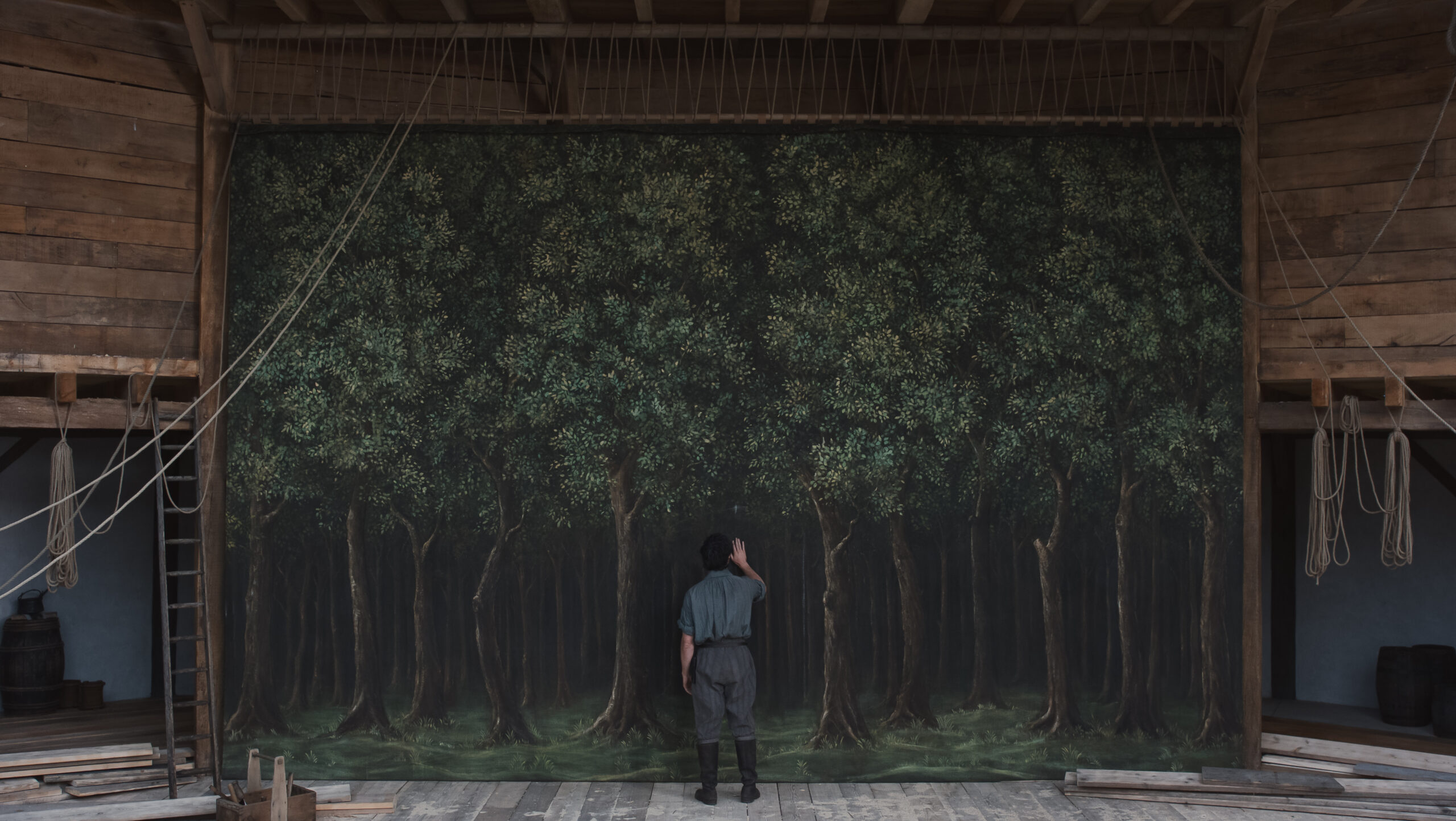
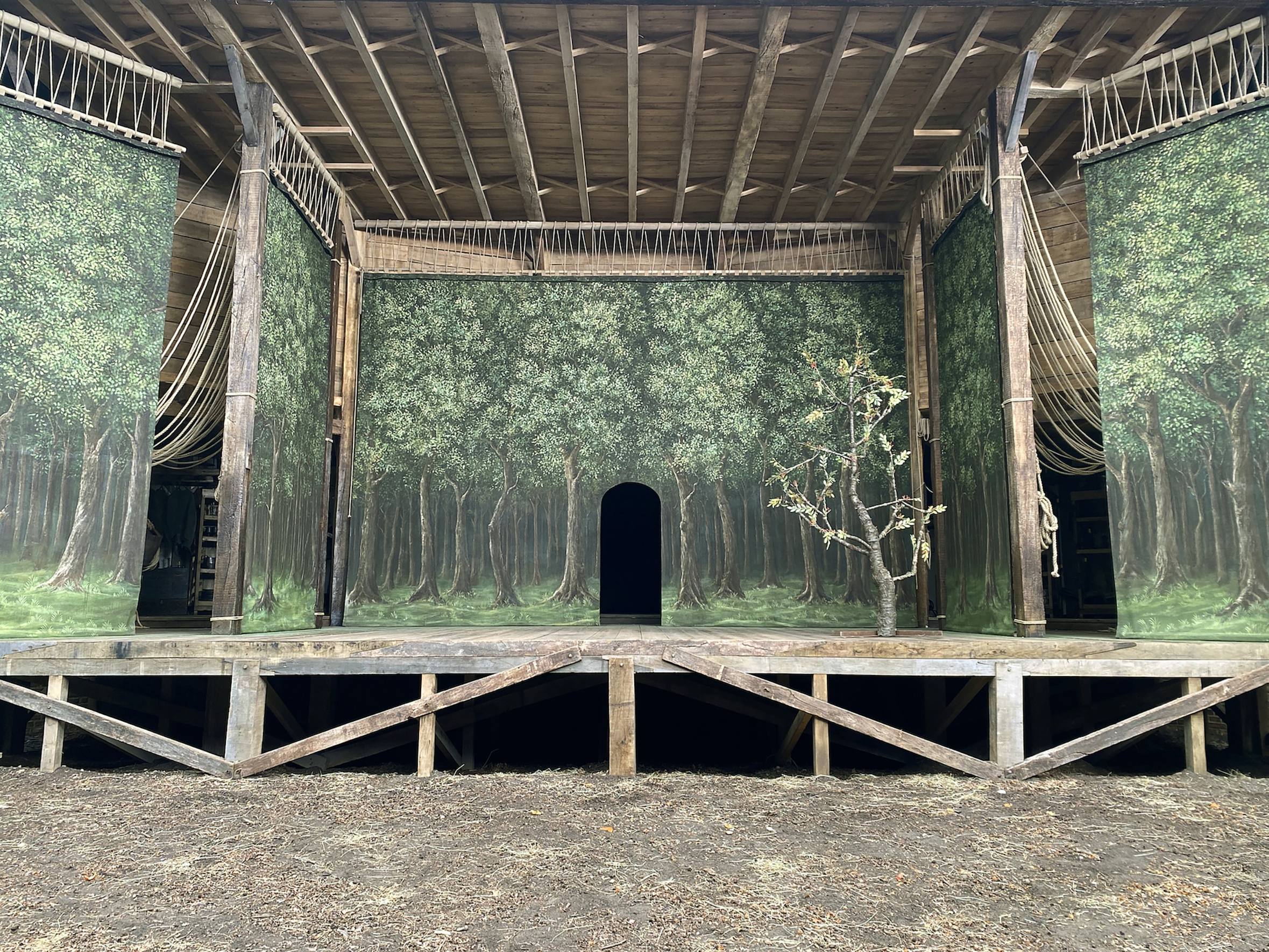
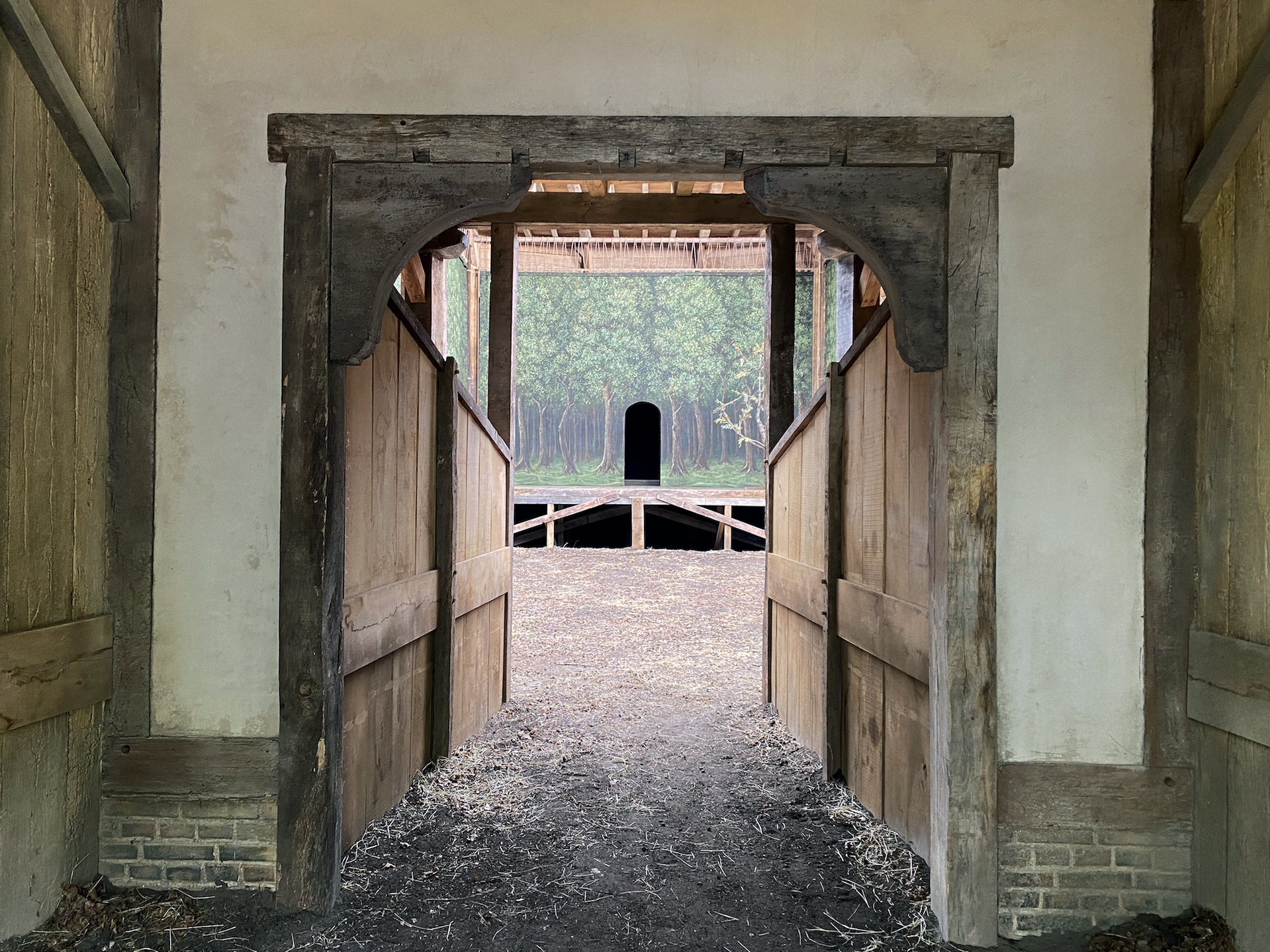
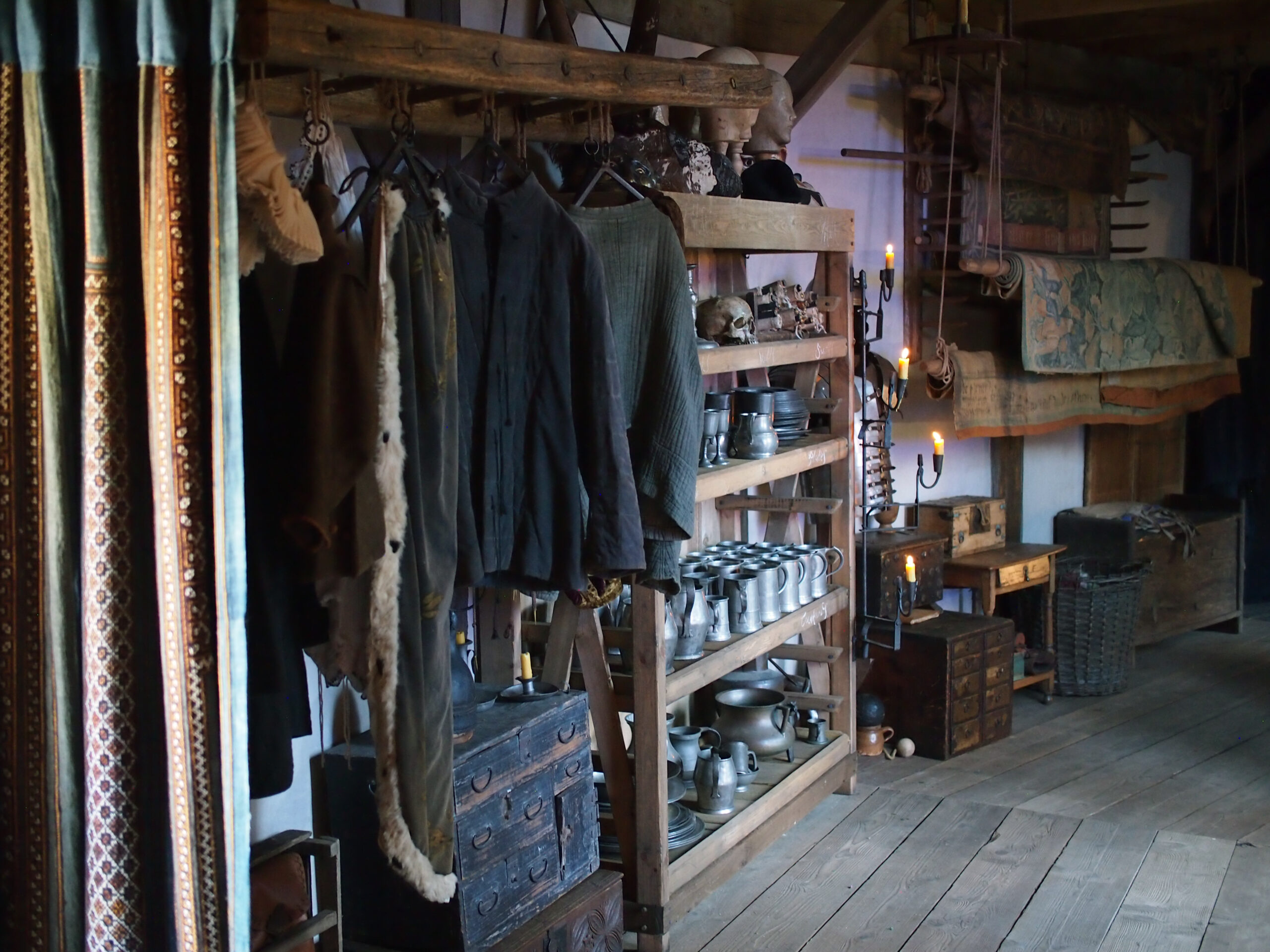
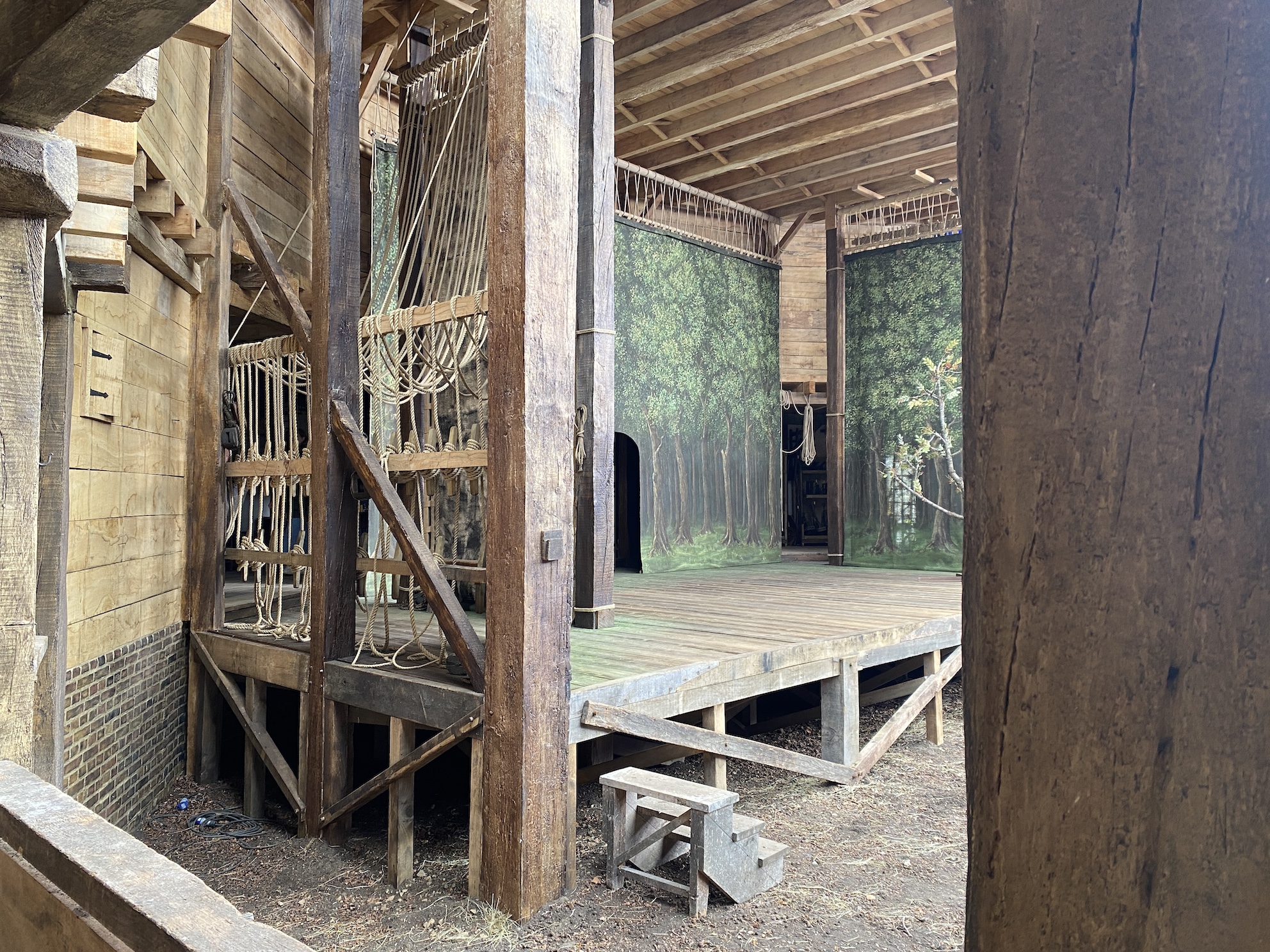
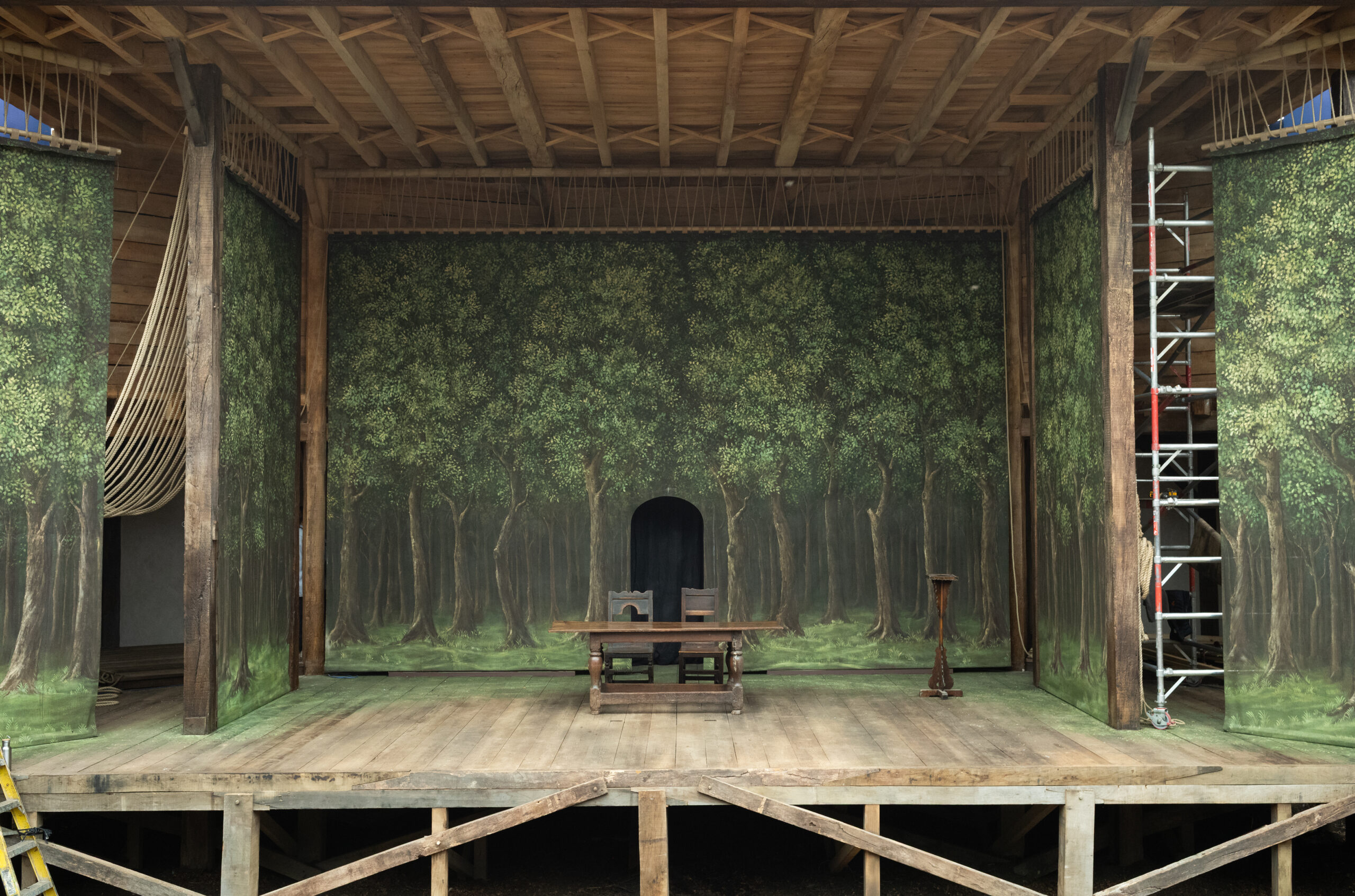
The Globe was our own interpretation. We used historical research as a foundation, but we allowed it to be slightly anachronistic. We incorporated elements inspired by the real Globe, as well as ideas drawn from prop storage, make-up areas, armoury spaces and places for actors to learn their lines. We also added small details, such as Bottom’s donkey head, which was loaned from the real Globe.
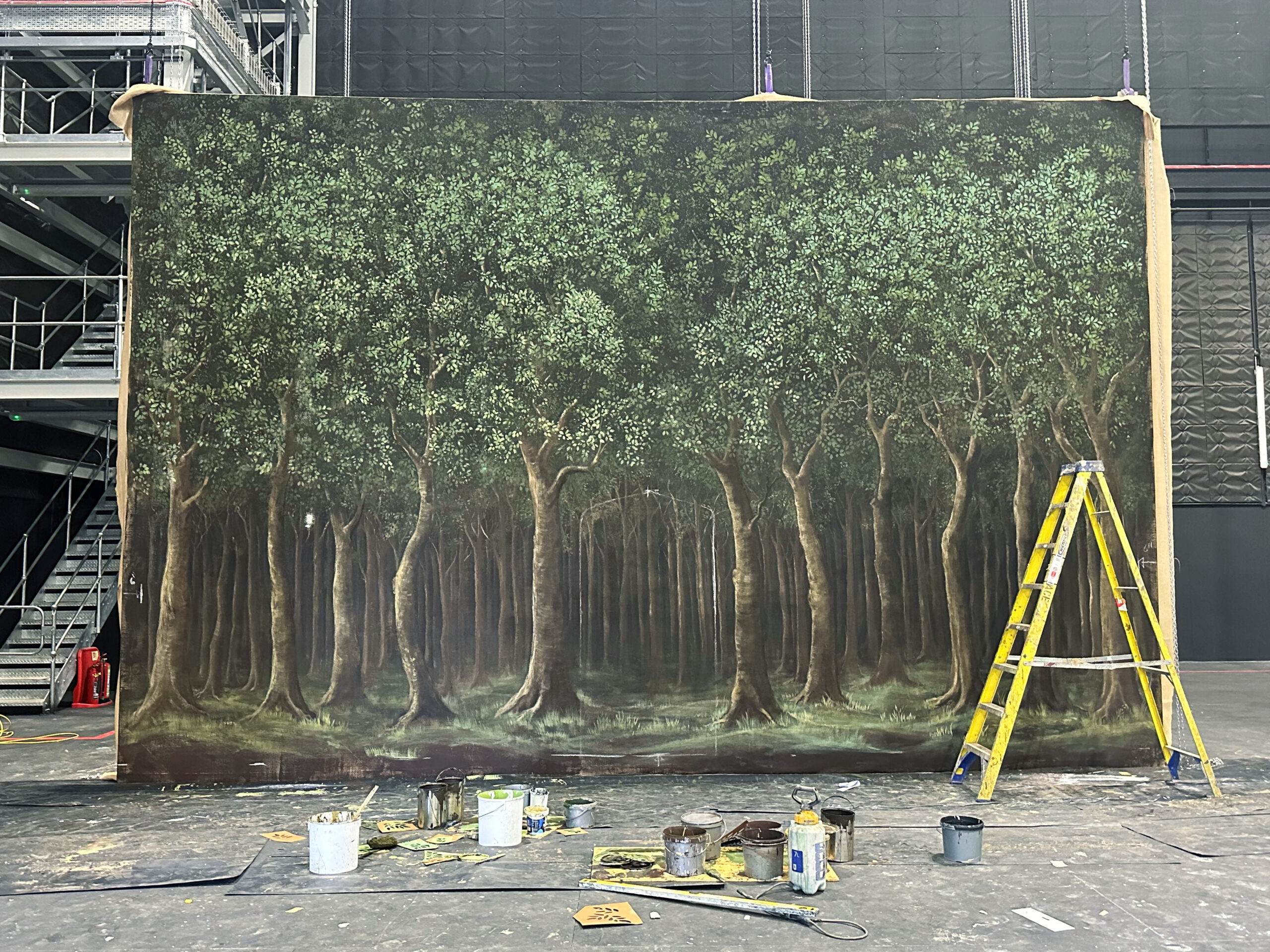
The Contending: The Globe has that fantastic backdrop (I have the quilt made to represent the forest scene and the black door). The Globe definitely feels more like Agnes’s world (natural, forest-set) than her own home. Was that intentional?
Yes, absolutely. It was Will’s way of expressing his grief and love for Agnes and Hamnet. The backdrop represents Agnes’s forest — where she was born, where she grew up, and where she went as a child with her mother. It is the place where she felt safe and at home