When I was younger, I remember how reverberations of the AIDS crisis trickled down to my small town in Western Pennsylvania. The media talked about how it was okay to hug someone with HIV or AIDS on television, and I remember reading about the crisis in my elementary school’s Weekly Reader. Since I was born in the early ’80s, the epidemic that killed so many beautiful people all around the world has always been a part of my consciousness, and I try to consume as many stories as I possibly can as a sign of respect for not just the people but also for that period of time. I was blown away by Matt Nadel’s Cashing Out for how it treats the AIDS crisis not as a distant memory but as a breathing testament of survival.
Before Nadel’s film, which has been shortlisted for this year’s Documentary Short Film Oscar, I had never heard of a viatical settlement, and I certainly hadn’t heard about how many people suffering with AIDS capitalized on it. One would sell their life insurance policy to an investor who would then provide cash upfront. After the person dies, the investor would receive a monetary benefit. Not many films that tackle this time period hone in on the cost of medical attention like Cashing Out does. We constantly hear about how the current healthcare system in America can drain a famiy or couple’s financial resources, but Nadel’s film emphasizes how gay, queer, and trans people dealt with that frustration mostly alone or without any sympathy.
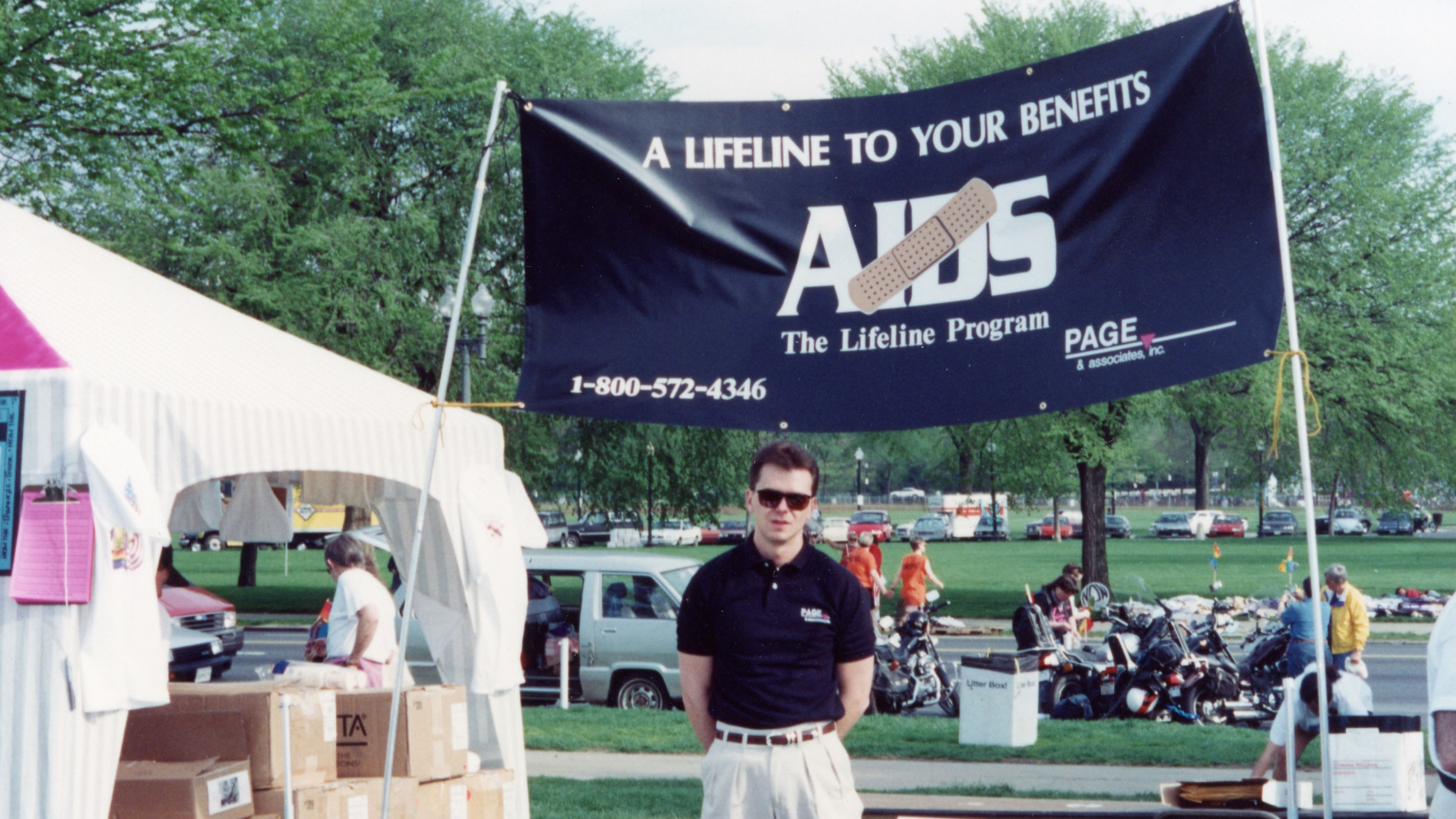
Nadel introduces us to three individuals who were affected by the AIDS crisis. Scott Page explains his fear and confusion of being gay before finding love with his dream man, Greg, who passed away. Sean Strub was diagnosed at an early age, but he triumphed with POZ, the first magazine to be published that gives perspective to those still living with HIV and AIDS. Dee Dee Chamblee briefly recounts how she thought she knew she was positive before she established La Gender, Inc., an organization devoted to uplifting the voices of Black, transgender women in Atlanta. What struck me most about these interviews is that Nadel is also on camera, and he and I speak about how younger queer folks learn so much from those who are older than us. It’s not just about learning life lessons but a conversation.
The filmmaker stumbled upon these settlements in a wholly unique way–his father was an investor. Nadel admits that he struggled with knowing that his childhood benefitted from an investment made on another person’s life. It gives his film such a deeply personal perspective while, at the same time, he never shies away from exploring his own emotions as he looks back at history or interviews his father.
We learn so much about this moment in history from period films and television or from the countless pieces of literature that dedicate space to those who lost everything. Rarely do we see a film that takes advantage of so many perspectives who lived through the AIDS crisis. Nadel directs with compassion, delicacy and intelligence, and Cashing Out is richly rewarding.
Cashing Out is available to stream via The New Yorker’s YouTube page.