
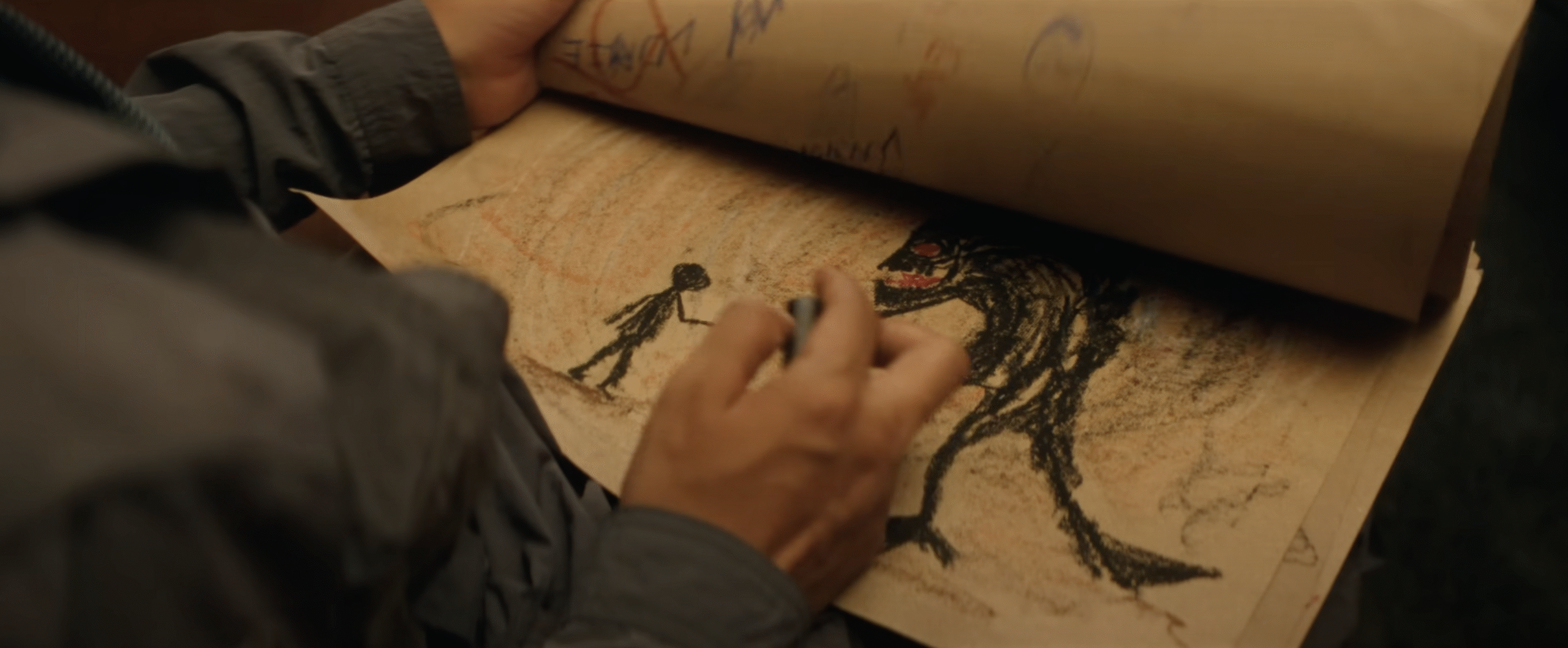
Oh Lordy (as my Kentucky grandmother used to say), how many times have we been here before? Since the one-two masterpiece punch of Ridley Scott’s Alien and James Cameron’s Aliens, we have seen one xenomorph follow-up after another let us down. All told, we have sat through three Alien sequels, two prequels, and two rancid Predator/Alien crossovers. All of the non-crossover films had at least one ambition: to further the lifespan (and therefore the cash coffers) of the face-hugger franchise, and all of them have fallen short both critically and commercially. Yet somehow, here we are with a new Alien iteration, this time on television, led by show creator Noah Hawley.
On paper, Hawley would appear to be a good choice to translate Alien from big screen to small. Over the course of five mostly excellent seasons (season four was divisive for many), Hawley has taken the Coen Brothers-created world of Fargo from film to TV in award-winning fashion. Of course, Fargo didn’t have seven mediocre to worse sequels/prequels/crossovers to live down.
Alien: Earth begins with clever nods to the days of yore. We see the same green computer font on the screen as we did in the first movie, setting the scene. There is a slight haze in the cinematography that recalls Derek Vanlint’s lensing from forty-six years ago. The production design and costuming on the USCSS Maginot is a dead ringer for the Nostromo. We recognize the banter among the ship’s crew, and there’s a “mother” computer that manages the spaceship as well.
The effort at homage isn’t so much an apology for what we’ve been through, but it does feel like a recognition of sorts: We get it, you’ve been let down, but you’re in safe hands now. For Hawley’s Alien: Earth (a prequel, taking place two years before the events of the first film), familiarity doesn’t breed contempt; it breeds comfort, which is all well and good upfront, but the show will have to deliver. Through the first two available episodes, I can say that hope is alive, but fulfillment is uncertain.

In the on-screen preamble, we are told that there is a new breed of synthetic, called a hybrid. The key and significant difference between the two is that synthetics are programmed, and hybrids have human consciousness transferred into their artificial bodies. The first in the line of hybrids is a female named Wendy (the appropriately ethereal Sydney Chandler). As she is essentially birthed, she comes under the tutelage of the synthetic Kirsh (a flinty and effectively detached Timothy Olyphant).
The green retro text that opens the show tells us that there will be a corporate battle between synths, hybrids, and cyborgs (enhanced humans), and the winner of this war will “rule the universe.” A bit grandiose, perhaps, but it does speak to Hawley’s greater ambitions. That being said, the corporate struggle to lead in artificial intelligence takes a backseat to setting up a manufactured (with emphasis on the “man”) alien invasion of Earth. While inserting an AI theme into the series is both timely and needs no shoehorn to fit within the source material, the statement by one character that the machines will eventually “ruin everything” is a theme already successfully explored by James Cameron in the first two Terminator films. It will be interesting to see if Alien: Earth can mine a fresh viewpoint beyond the already apparent dangers of artificial intelligence.
While we wait for the AI theme to be fleshed out, Hawley knows we have some aliens to hatch. The first alien sighting will likely bring a smile to the fanbase’s face as it turns slowly to the camera, almost knowingly, and hisses and screeches as if to say, “Are you not entertained?” Hawley is smart not to overdo it with the creature sightings in episode one. The lessons of the first two films, that you slowly unveil the creature and the mayhem that comes with it, are adhered to in the first hour of the series. There’s more tease than showcase.
That changes in episode two. When the Maginot crash lands into a high-rise building with the help of a synthetic who will likely remind viewers of Ian Holm’s “Ash” from the first picture, it’s not long before a search and rescue team is sent in, and soon needs rescuing of their own. That follow-up team is led by Kirsh and Wendy (by the way, the first episode is called “Neverland,” and Wendy’s name and pixie cut are no accident). As they fly over to the building with an alien-filled spacecraft in the lobby, Olyphant’s Kirsh is given a chilling monologue about the importance of the human race:
“Used to be food, you know. Humanity…You stopped being food. Or, I should say, you told yourself you weren’t food anymore.”

Olyphant, with his shock of white blonde hair that recalls another fabled Ridley Scott cinematic synthetic (Rutger Hauer in Blade Runner), delivers his lines almost flatly, but also with a sneaky tinge of underlying contempt. At that moment, it’s impossible not to think that Kirsh might not be a “good” synthetic.
It’s not long before “foreign bodies in the GI tract” of victims in the building are discovered, and then things go from bad to weird to worse. Let’s just say that an alien makes for a pretty awful guest at an 18th-century-themed costume party. There are, of course, close calls and narrow escapes among the sights of future chalk-outlines (there’s even a family reunion of sorts). Alien: Earth is nothing if not exceedingly well made, and effectively gripping, scary, and watchable genre fare.
The catch is that those who love Alien the most will likely want more. As of this moment, it’s unclear if Hawley’s take on the legend will provide that extra layer of nuance that the first film delivered. In Ridley Scott’s 1979 original, we were given not just a haunted house movie in outer space, but a diatribe on ambition over consequence, and the ultimate body horror (sorry David Cronenberg) film, centered around the bloody and, in the film’s case, vicious nature of birth. Cameron’s sequel took those same themes and turned them up to eleven. The trouble has been that since Aliens in 1986, the franchise hadn’t figured out where to go, or why it should exist.
Even so, the lure of Alien lore has not been killed by films that have been relentlessly disappointing on an artistic and financial basis. Alien is the saga that never ends, even if it has run out of things to say. Does Alien: Earth have something to say? Hawley is an exceedingly gifted storyteller, and he has six more episodes to reveal/suss out a theme that allows this iteration to stand on its own. Based on the first two episodes, the jury is definitely out, but it is also intrigued.
Alien: Earth is available to stream on Disney/Hulu/FX now