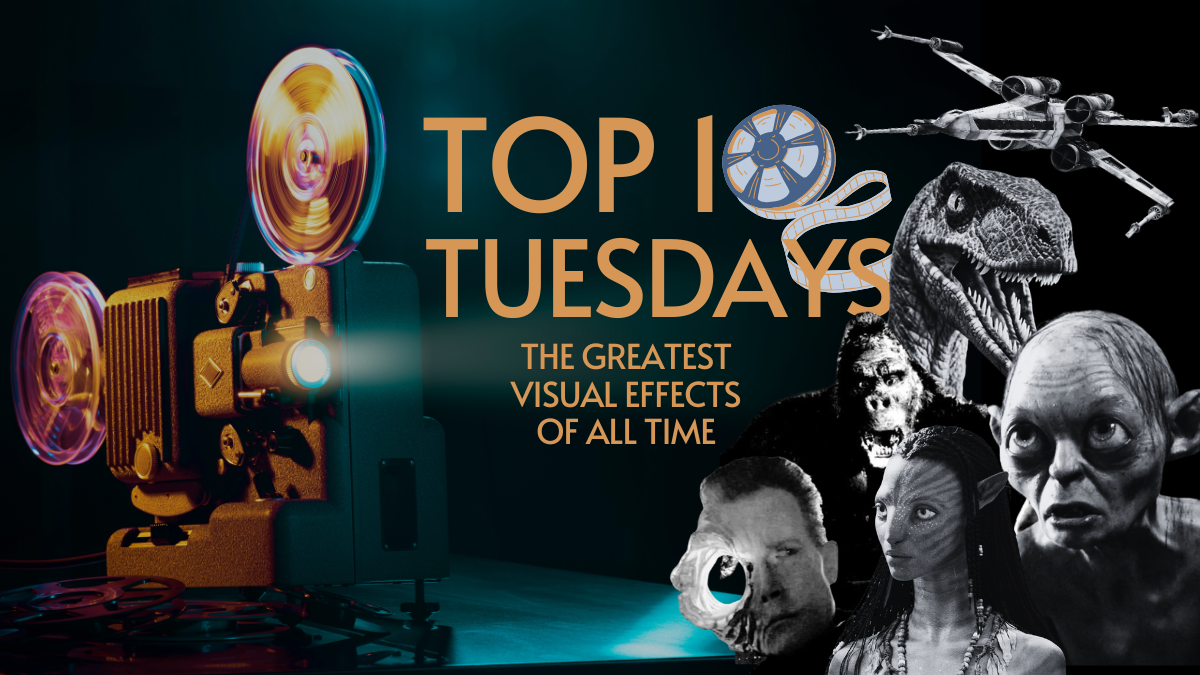
Happy Tuesday, dear readers! Each week, we’ll rank the top 10 films in a specific category. While we aim to tie these lists to big releases, that won’t always be the case. Our goal? For you to enjoy, share your own lists, and join in on a lively, friendly debate. This is an interactive space to build community here at The Contending.
No fancy intros, no long essays – just a category and a list. Sound good?
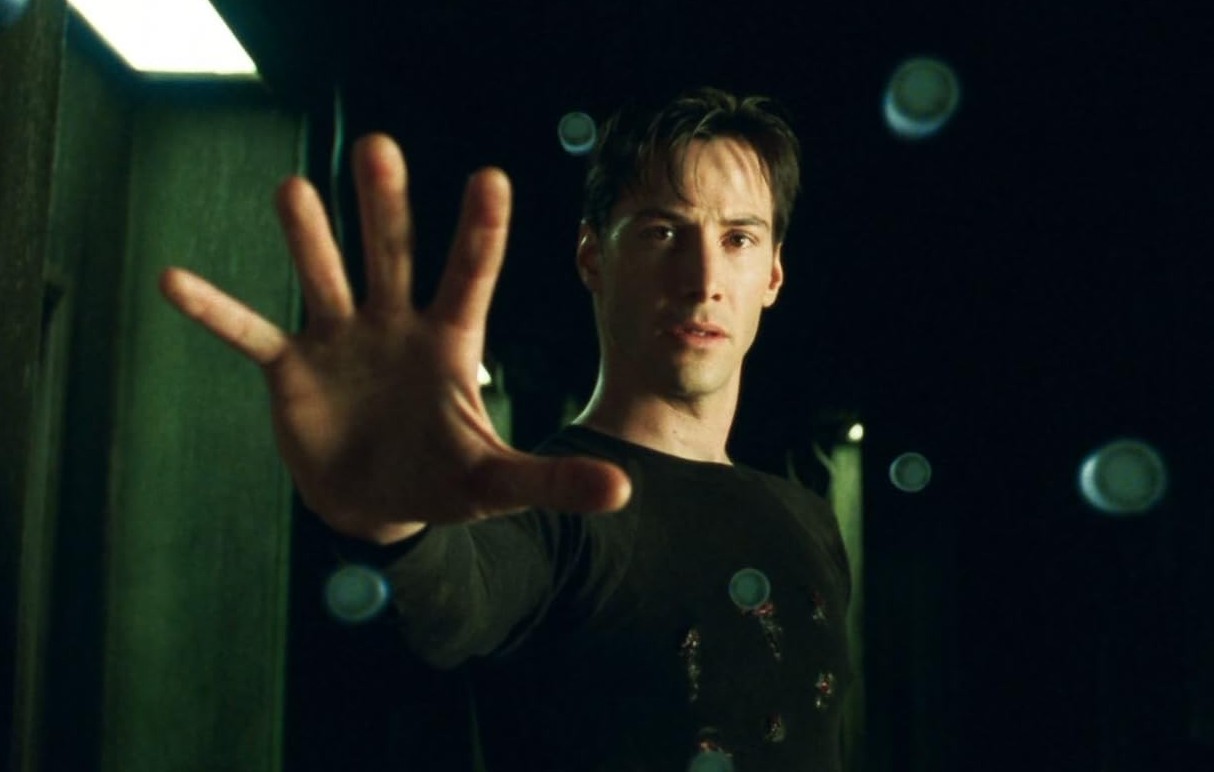
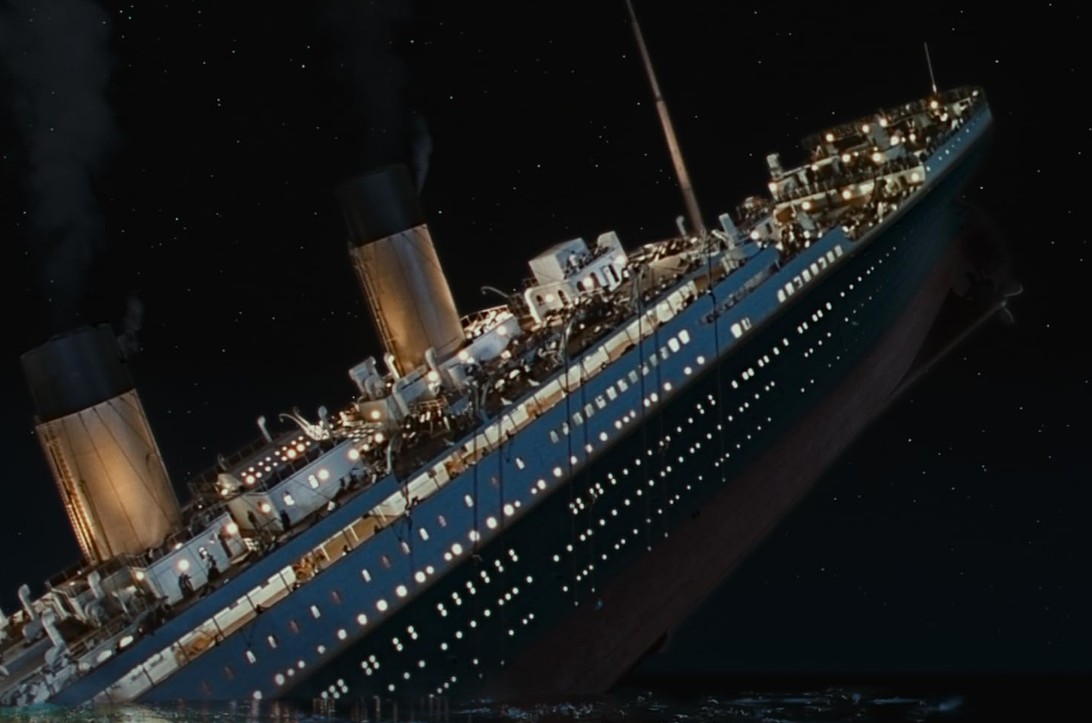
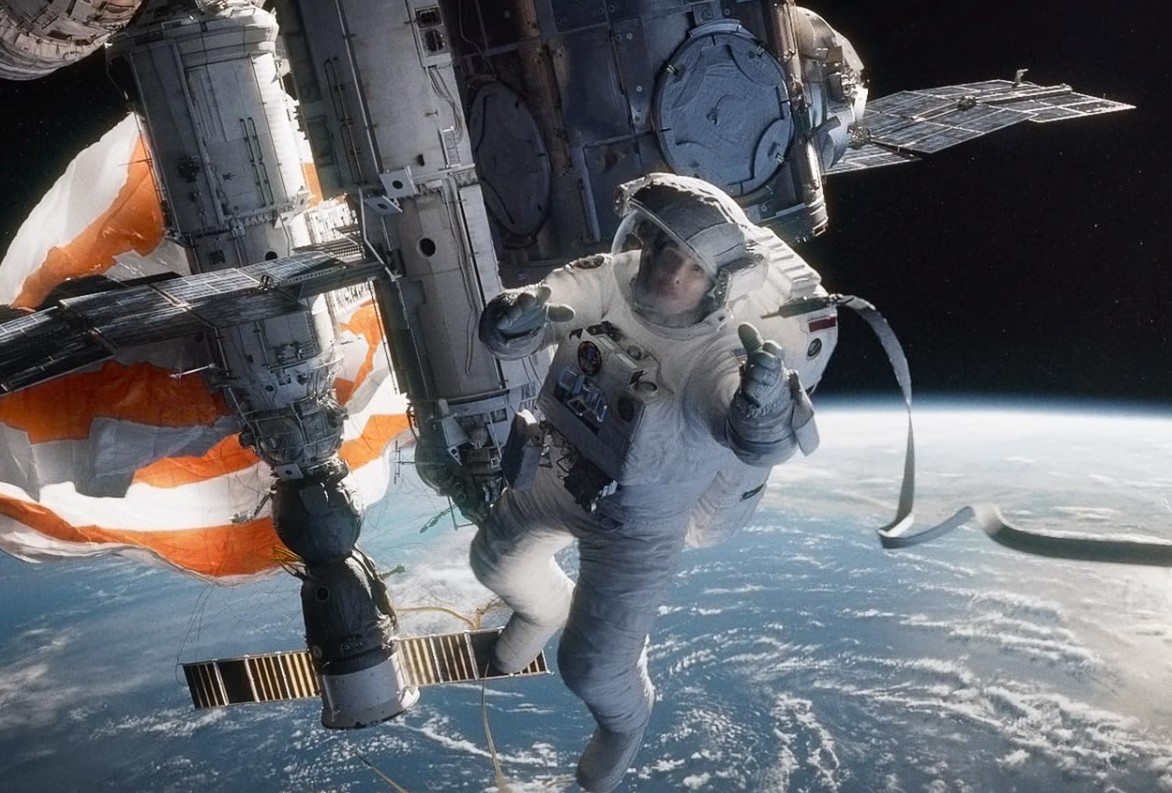
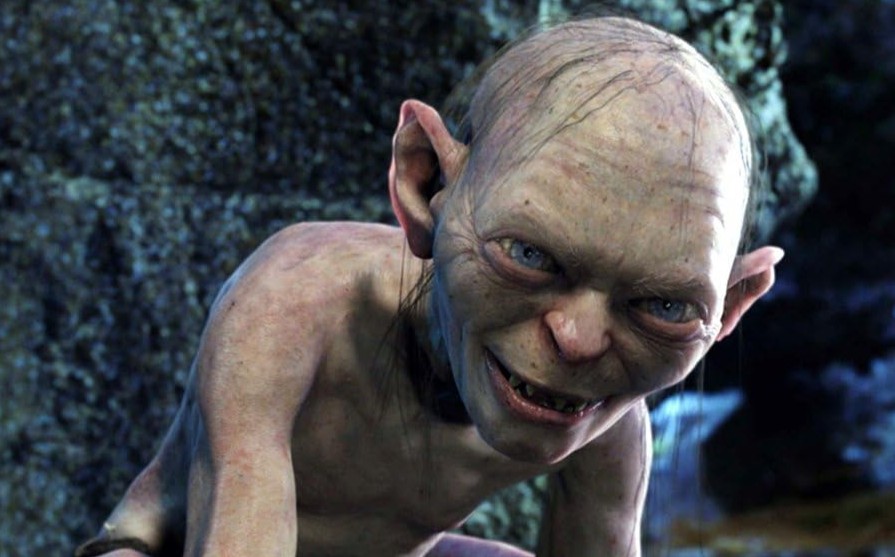
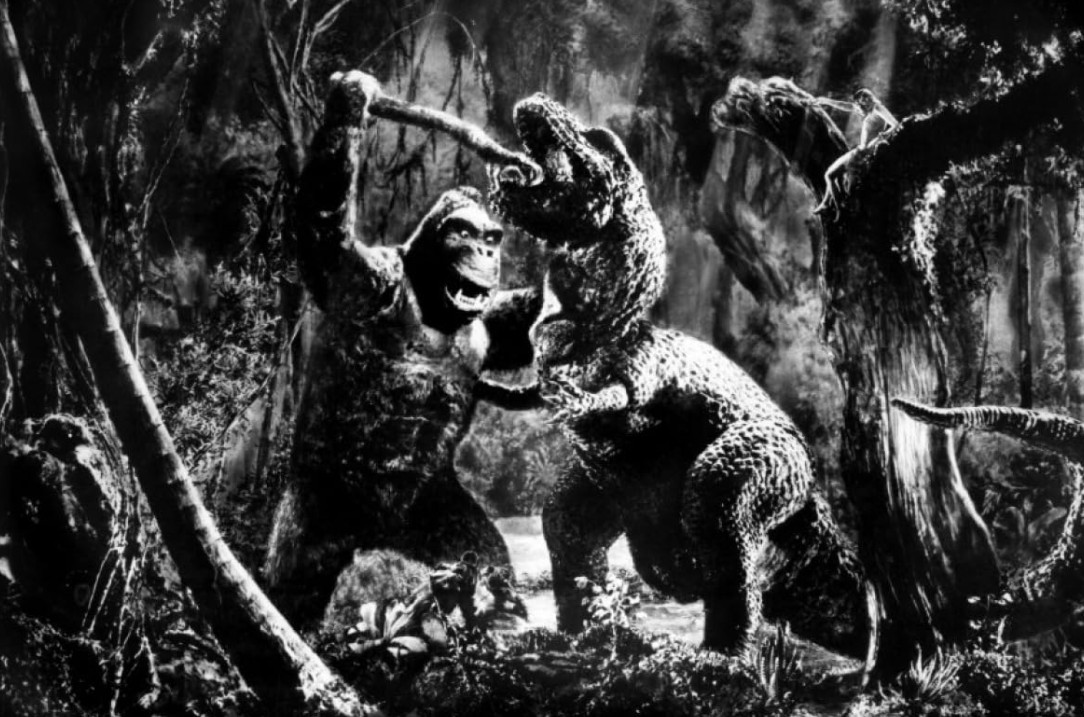
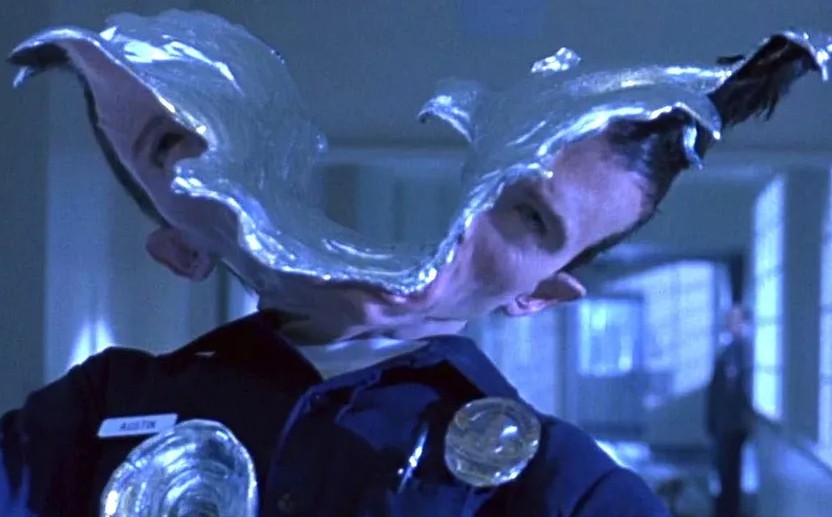
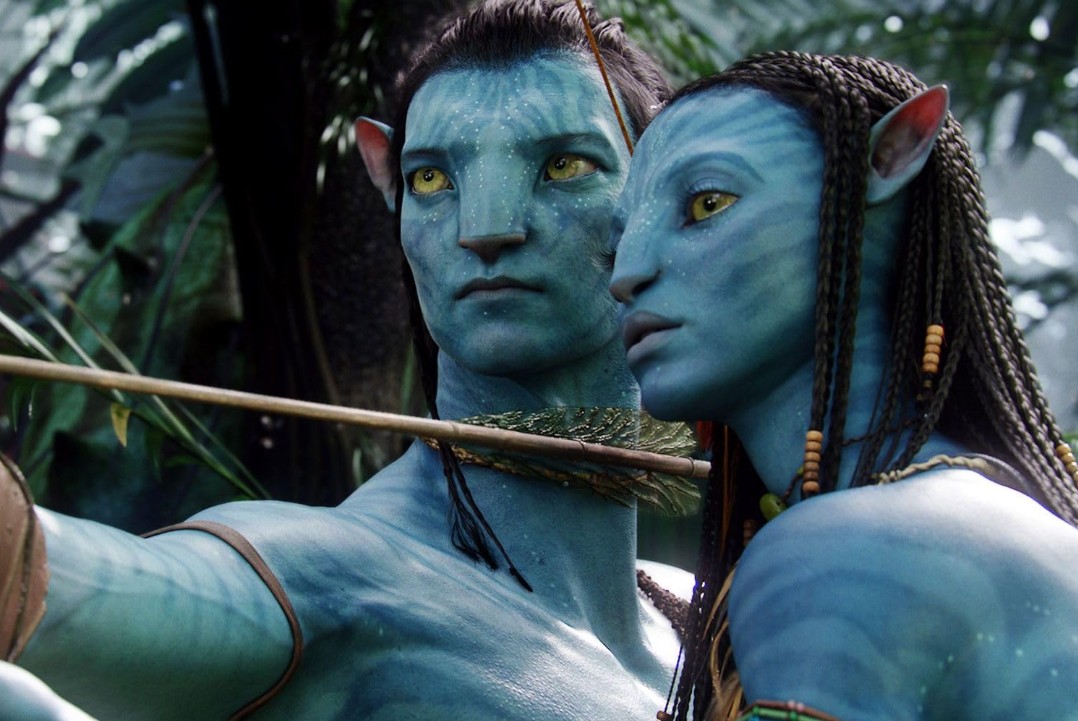
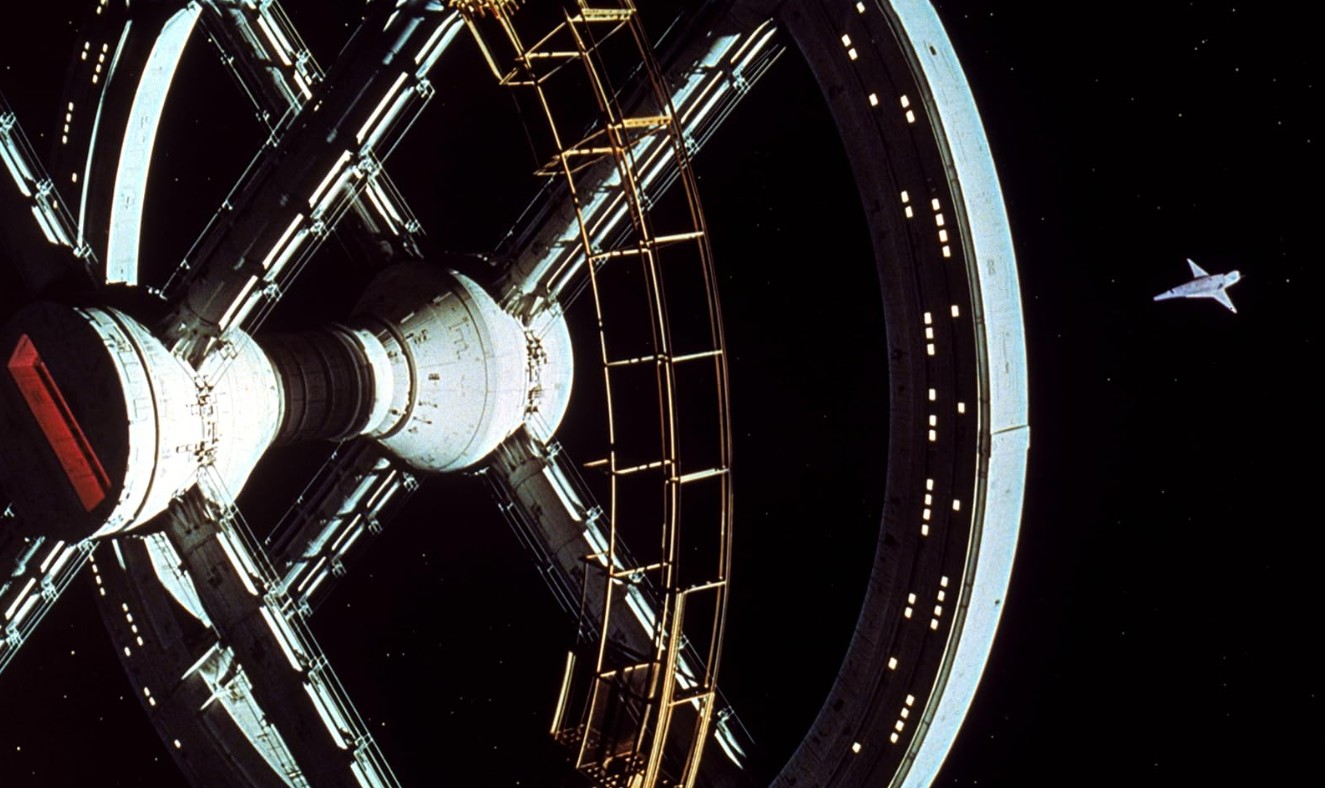
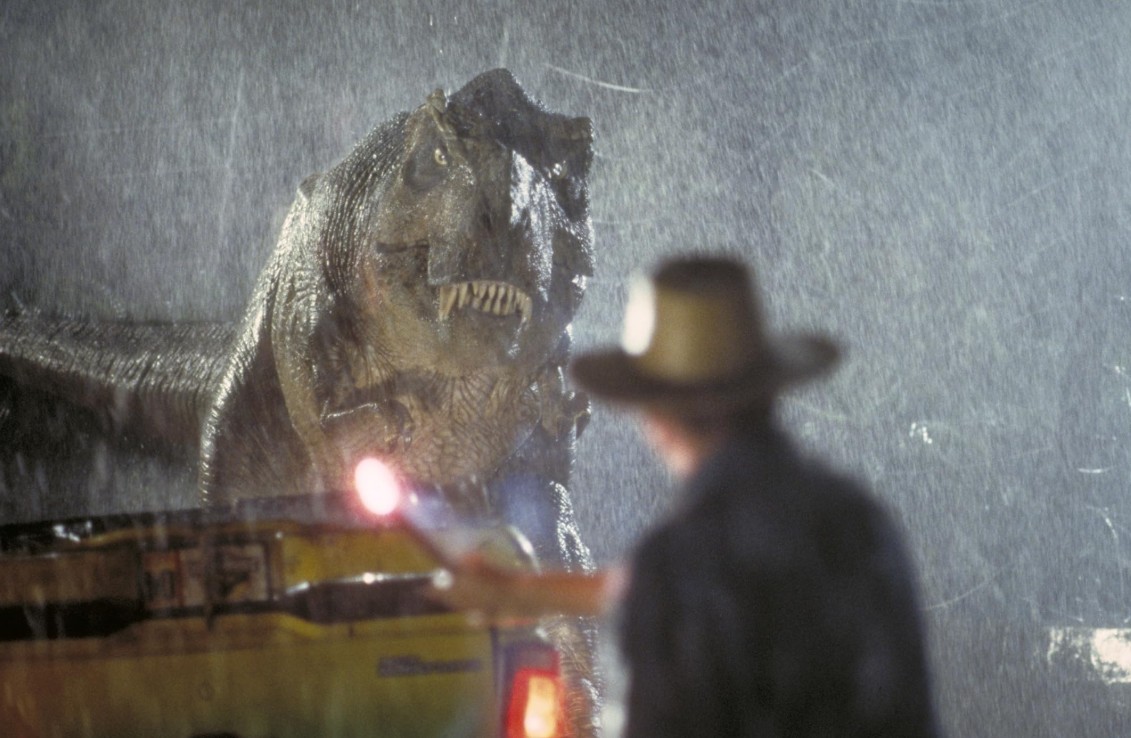
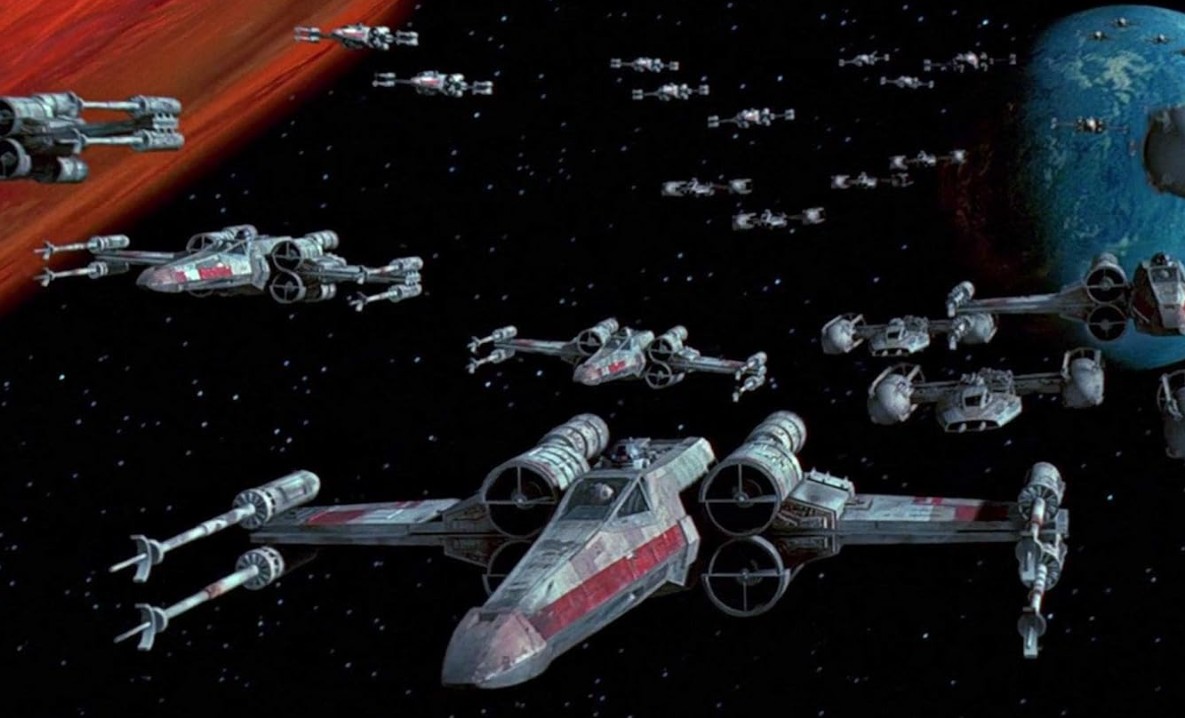
We are knee-deep in awards season, so let’s keep the ball rolling as the guilds continue to weigh in. The last few weeks included ranking the greatest directors of all-time ahead of the DGA, the greatest costume designs ahead of the CDG, and the greatest makeup and hairstyling following the MUAH. With the Visual Effects Society (VES) on tap to award the best of the year this Wednesday, let’s take a look at the greatest use of visual effects in film history.
At the inaugural Oscars, the Academy presented a single technical award, “Best Engineering Effects,” to Wings and effects artist Roy Pomeroy for its aerial battle sequences. The category vanished after that first year, but its presence in the very first Oscars underscores a simple truth: spectacle has always been central to cinema. By the 12th Academy Awards (honoring the films of 1939), AMPAS introduced “Best Special Effects,” combining photographic and sound effects. The Oscar went to The Thief of Baghdad. Over time, the award evolved into today’s “Best Visual Effects.”