“The system rings a familiar bell/And slavery needs a living cell…”
That lyric line has been lodged in my brain ever since I watched Robe Imbriano’s alarmingly essential documentary short, Criminal. This is a film of huge ideas, but they are brought intimately to our doorsteps. How have we ignored the slavery to prison pipeline for so long in this country? Criminal is unlike any documentary that you have ever seen. Its musical drumbeat ringing through our heads as the animation transforms before our eyes.
**You can view Criminal via The New Yorker’s YouTube page. Consider watching it and then coming back to watch our chat with Robe Imbriano and Thomas Curtis
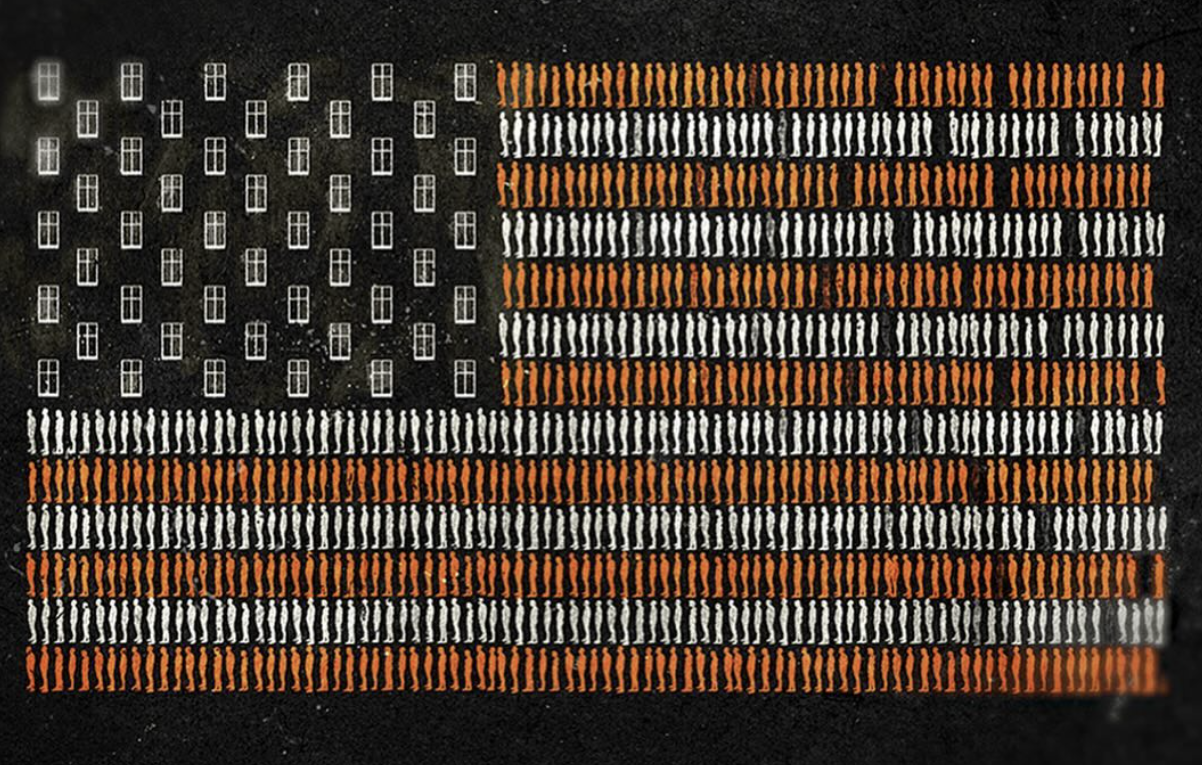
From the outside the Harris County Jail in downtown Houston looks like prestigious high-rise, but there is a secret to the windows that supposedly overlook the downtown area: it’s windows aren’t real. You may not have ever considered what a window represents at all. Through the windows in your home, you can casually glance out. Maybe you look at the street or your backyard. But what does it mean to create something fake for those who are trapped inside? To pull the wool over the eyes of those who pass by the prison and look up not knowing that this building houses prisoners. Are we taking away imprisoned peoples’ opportunities for hope?
If you are charged with a crime but cannot afford to be bailed out, you might have to await trial in prison. Some have endured weeks or months behind bars without even speaking to representation. My crime is being poor” rings a chorus of voices towards the end of Imbriano’s doc. This condemnation of the cash-bail system in America is both a history lesson and a rallying cry. Some of us may not have been aware at how this system is a direct extension of the violence chronicled against Black citizens in the history of this country.
Rather than use talking heads to spout facts, Imbriano uses music and animation to morph in front of our eyes thanks to animator Thomas Curtis. The porch or a plantation becomes the long, lonely prison hallway. Lines of Black men in prison uniforms create the stripes of the American flag. The color orange instantly reminds us of a jumpsuit but is sprinkled throughout the imagery as if that stark, distinct shade is permeating our minds without us knowing.
The music is propulsive and effective. I couldn’t help but ask Imbriano about the drumbeat since the percussive rhythm swells and grows depending on what is happening visually and thematically in Criminal. Is the beat our own heartbeat? The heartbeats of those who sit frustrated in their cells without an answer in sight?
Criminal shakes up how we can create nonfiction films. It reaches into our ears and our eyes to jumble up how we learn while yanking us up to our feet to aspire for change.