
The Academy Awards International Feature Race is on! And it’s a super-crowded year brimming with outstanding films from around the world.
My more extensive analysis will appear sometime after the official list publishes and before the short list announcement on December 15th, but I wanted to do a survey of how things look after viewing 92 of the submitted films as well as perusing some of the Oscar prediction outlets and their current takes. I also wanted to add a host of underdog titles that should be in consideration.
Each year I implore the powers that be at AMPAS to expand the number of International Feature nominations from five to 10.
They’ve even added to the embarrassment of riches this year by allowing certain festival winners to become eligible, and that’s great, but it also brings the 2026 submission tally to a whopping 105 possibilities.
The official list will be disclosed in late November and, if history is any indication, will reveal a handful of disqualifications and certain entries deemed, “not on the final list,” with no reason given. Still, this will likely be a record- breaking year in terms of the total eligible International Features. The number to beat is 93–from the year 2020 when 97 features were submitted and 93 actually made the final list.
The reason to expand to 10 nominations is even more obvious this year, not only because of increased quantity, but because of the stellar quality of so many of the submitted films–plenty from countries with very limited resources that have small film industries.
And if you take a gander the Oscar prog and blog sites, the “experts” seem to have already dwindled the final group of likely nominees down to a consensus five with two titles as potential spoilers. That’s pretty much it as far as many journos are concerned.
Those likely nominees (and their distribution companies)—and these are NOT my predictions or preferences but the current unanimity—are:
Spain: La Bola Negra, Netflix
France: Minotaur, MUBI
Japan: All of a Sudden, NEON
Romania: Fjord, NEON
South Korea: Possible Love, Netflix
The two possible spoilers (strangely, both star Sandra Hüller and are MUBI titles)
Poland: Fatherland, MUBI
Austria: Rose, MUBI
Even at The Contending, six of these titles are predicted, with two exceptions!
Take note that all of the above cited films have major distribution companies releasing these movies. All seven also have strong PR behind them. Meaning MONEY.
Current dark horse nomination predictions, intermittently sprinkled on a few charts, include:
Belgium: Coward, MUBI
Germany Everytime, 1-2 Special
Rwanda Ben’Imana, Alexander
Denmark Woman Unknown, Cohen Media Group
Important FYI: This isn’t to write that the eleven films mentioned above aren’t worthy—although some are more than others. But my intense desire is that more entries get the recognition they deserve.

Also important to note that certain countries make the grade each year, especially if you include the short list. In the 70 years the category has been competitive (honorary awards were given prior to 1956) these 8 countries have dominated: France (40 nominations, 12 wins–three were honorary so not included in the number of noms), Italy (30 nominations, 14 wins– three honorary), Germany (23 nominations, four wins), Spain (22 nominations, 4 wins), Japan (18 nominations, five wins–three honorary), Sweden (16 nominations, three wins), Russia (16 nominations, four wins) and Denmark (15 nominations, four wins).
From the above countries, it’s looking like France, Spain and Japan might repeat with Germany and Denmark possible spoilers.
The European Film Award were recently announced, and they showered Fatherland, La Bola Negra and Fjord with many deserved nominations including Best European Film, Director and Screenwriter. Also tagged in the top category from the IF eligibles were Woman Unknown and two critically acclaimed docs, Rehearsals for a Revolution (UK) and To Hold a Mountain (Montenegro). The directors cited included Sandra Wollner for Everytime and Andrey Zvyagintsev for Minotaur—despite being overlooked in the top category. Sadly, Coward managed only two mentions (Cinematographer and Makeup & Hair Stylist).

Examining many of the blog site predictions, I got the feeling most of these prognosticators hadn’t even seen many, if any, of “the few, the proud” group of films, let alone a good chunk of the 105 currently in the mix. This frustrates me because I then wonder what they are basing their predictions on? Probably critical raves, festival awards/reception and those few being pushed hard by PR. Oh, and other Awards sites.
Too many of the other qualifying gems aren’t being discussed or reviewed by major outlets.
But these experts insist on leading the conversation and, too often, that means that AMPAS voters will take note and only devote their attention to the “chosen” few, instead of trying their best to consider films outside the dozen or so bandied about. That is why if anyone is truly serious about analyzing the IF race have a responsibility to their readers and followers to check out as many of the films as possible, because these outlets and social media cinephiles may very well be influencing voting members.
The way the Academy rules currently work, members who volunteer to take part in first-round International Feature voting only need to see an assigned set amount, “equitably distributed,” via the Academy Screening Room. Voters are then encouraged to watch as many of the non-assigned entries as they please. The number of ‘required-viewing’ films is never released by AMPAS, but I can’t imagine it’s more than 20, probably closer to 15. Now, after members see what they are assigned–and who’s to say they don’t turn some of the films off after a certain amount of time, or walk away from the TV if there is some sort of viewing tracking–they will then turn to the most written about and discussed titles in their feeds or on the awards outlets they visit, leaving certain truly worthy gems unwatched, and therefore not even considered.
Only a few handfuls of these projects can afford to have publicists working overtime, AMPAS members and/or studios holding special screenings and receptions–all this give those films a massive edge.
A few years ago, I dared to suggest a rule change where members should have to watch at least one third of the submissions each year, which would make the process more equitable. Yes, it would be more time consuming and reduce the number of those willing to take part, but as it stands now AMPAS does not release the number of members who do volunteer each year, so it could be 1000, 100 or as little as 10.
The other option is to allow members to only vote on the films they are assigned. Perhaps a numerical rating? But something needs to be done since, in the last couple of years, with few exceptions, the most popular titles, usually from the same two handfuls of countries, make the final five. Ergo too many worthy films are completely overlooked each year.
So once again, Academy Members in Charge, if you are reading, please find new ways to make the playing field fair. You can start with expanding the short list to 25, and the final number of nominees to 10.
And while I’m on my knees begging for the impossible, how about putting together a team at AMPAS to find some way to make ALL these films accessible to ALL audiences, establishing an International Feature Oscar submission streaming app. And to go one further, imagine all eligible titles in AMPAS history available on one streaming service? Do I dare to dream that big? Cinephiles would rejoice.
But back to reality…
Here are my personal favorites:
Belgium: Coward
Spain: La Bola Negra
Japan: All of a Sudden
Romania: Fjord
Poland: Fatherland
I know, my faves are also among those 11 cited above, but there are also a slew of other worthy titles that should also be considered. Before I list them, a few thoughts about two gay-themed films that deal with war that deserve to be showered with attention. And a note on Venice’s Golden Lion Winner and Rwanda’s very first Oscar submission.
Belgium
I’m going to begin with Coward even though it’s appearing as a long shot on some lists, it should honestly be much higher because director Lukas Dhont (Close) presents a queer love story, during the first world war, in a way that has never been shown onscreen before and he does so brilliantly.
It’s a story about how war brings young gay men together in a bizarre but palpable way that is life-changing—if they survive. Most young men from rural areas especially 100 or so years ago (and still today in many places) didn’t have anywhere they could meet other young men. One of many incredible things about Coward is how Dhont shows the possibilities, even through the carnage, of discovering love and identity.
I did not see another film that hit me on such a visceral level, telling an authentic story and allowing for hope for its two gay protagonists.
Coward is an exceptional work of cinematic art.
Spain

A close second would be Javier Ambrossi & Javier Calvo’s La Bola Negra, but I don’t feel the need to shout too loudly about it because it’s being given the push it deserves from Netflix. I will state that certain naysayers on Film Twitter are badmouthing the film for the most ridiculous reasons, proving their ignorance about history and their silly black-and-white notions of how life works. This is a rich and rewarding queer epic that takes massive cinematic swings and, more often than not, the Javis hit it out of the park. The cast is brilliant. And the sheer power of the storytelling is dizzyingly dazzling. And the message about being proud of who you are and fighting those who wish to mold you into what they want you to be, comes through resoundingly.
Netflix has released La Bola Negra in unprecedented fashion, giving it a 47-day theatrical window before it begins streaming on December 2nd.
Denmark
When May el-Toukhy’s compelling post-WWII drama, Woman Unknown won the Golden Lion at this year’s Venice Film Festival, some balked that head juror Maggie Gyllenhaal, and her fellow voters, selected the film to make a political statement about how el-Toukhy was the ONLY sole female director who had a project in-competition. I can honestly say that, Wild Horse Nine notwithstanding, Woman Unknown certainly deserved the top prize, regardless of politics. It’s a chilling and most assured work.
Rwanda
One of three inaugural submissions is from Rwanda. Winner of both the Camera d’Or and the Un Certain Regard: FIPRESCI Prize at Cannes, Marie Clémentine Dusabejambo’s Ben’Imana is an extraordinary, powerful look at the women traumatized by the genocide in that country.

The exceptional trio: All of a Sudden, Fatherland and Fjord also fall into the category of having enough publicity behind them. And Rose, Possible Love and Minotaur are certainly good films, that also have major backing.
The following, however, do not.
And these gems deserve consideration.
Cyprus
Cyprus’s very first Oscar submission is Myrsini Aristidou’s captivating, emotionally-rich debut feature, Hold Onto Me which boasts wonderful work by the fearless Greek thesp Christos Passalis (Dogtooth). This gorgeous film focuses on the relationship between an 11-year-old girl and her estranged drifter father.
Lebanon
First-time feature director Rami Kodeih and his co-writer Nora Mariana have fashioned a Thelma and Louise for a new generation with Furies — a thrilling, intense, sometimes hilarious, always enthralling tale of female empowerment in a world of gross misogyny. Set in Lebanon in 2022 the film centers on two women who have been pushed to their limit. So, they decide to take action. The film’s a triumph!
Norway
Sure, this country justly won last year for Joaquim Trier’s masterpiece, Sentimental Value, but deserves consideration this year for a different kind of story. Hans Petter Moland’s entrancing, epic, Growth of the Soil, is set in the early 20th century in a remote area of Northern Norway. It’s simply heartbreaking.
Ireland
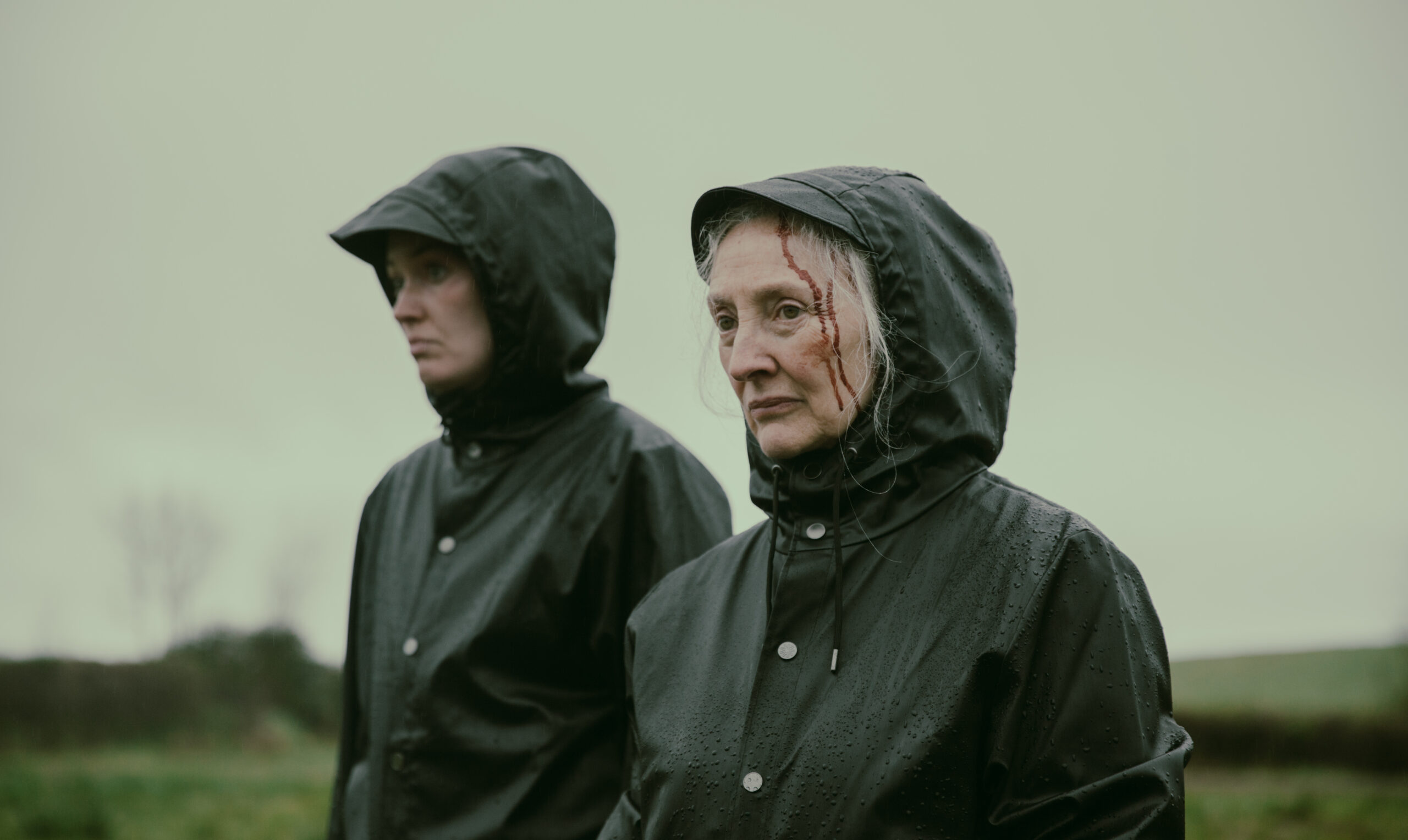
Damian McCann’s absolutely riveting sophomore feature Aontas (meaning Unity or Union), works backwards telling the dense story of three masked women who enter a rural Irish Credit Union and proceed to attempt to rob it.
Pakistan
Mohammed Ali Naqvi’s Hanging by a Wire is easily the best documentary in the International Feature Oscar race. It’s the incredible, engrossing and miraculous story of the rescue of eight passengers—including six schoolboys — from a cable car in the Pakistani Himalayas.
Serbia
Nenad Pavlović’s sublime sophomore feature, Wanderlust (Izlet) is a mesmerizing fever-dreamish, Joseph Conrad-light, cinematic odyssey centering on Toma (the hypnotic Stefan Vukić), a frustrated young artist in search of personal and artistic freedom. It’s stunning.
Taiwan
Chen Yu-hsun’s enchanting feature, A Foggy Tale, centers on a 15-year-old girl (a winning Caitlin Fang), who travels from Chiayi to Taipei to claim the body of her murdered older brother. She teams up with Chao Kung-tao (Will Or, terrific), a foul-mouthed carriage driver. The film is a road-movie-adventure odyssey with some powerful messages about the dangers of totalitarianism.
Saudi Arabia
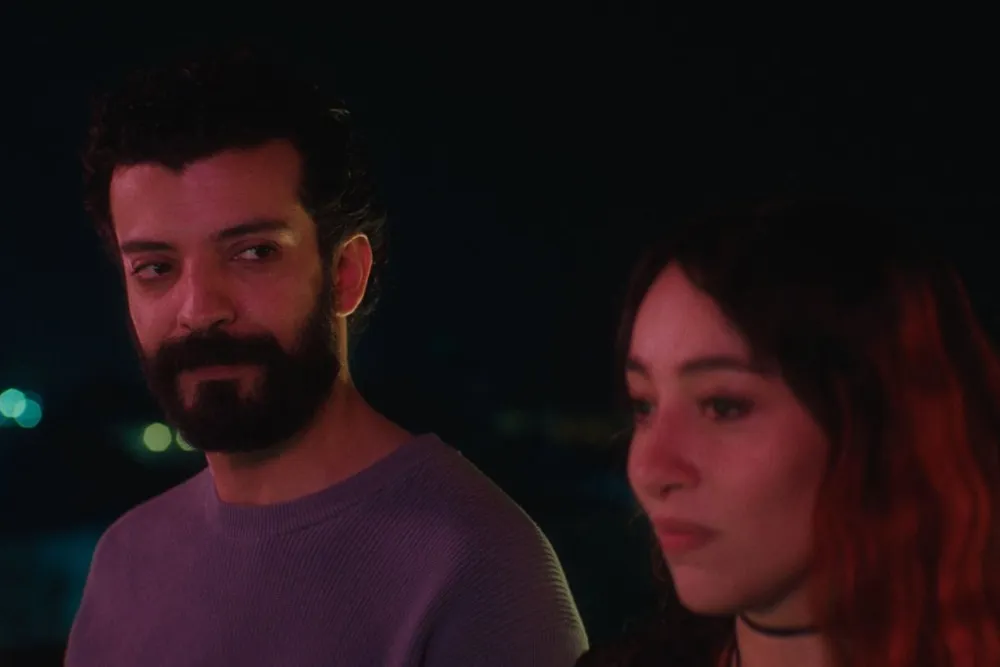
Saudi Arabia explores generational trauma and familial superstition in Anas Ba-Tahaf’s hilarious dark comedy, A Matter of Life and Death. Hayat (Sarah Taibah, who also wrote the terrific screenplay), is a high-strung young woman, bent on dying before a family curse kills her on her 30th birthday. She meets a brilliant heart surgeon (Yaqoub Alfarhan) with dark urges and enlists his help with her plight. The film is a macabre delight.
Lithuania
Writer-director Andrius Blazevicius’ biting, emotionally-charged How to Divorce During the War forces audiences to wonder how much they might be willing to sacrifice for a good cause. Could YOU open our home to strangers, during a crisis situation?
Israel
Set in the late 1980s, Moshe Rosenthal’s touching second feature, Tell Me Everything centers on twelve-year old discovering his father likes men—in that way. The film flashes forward a decade with the son (an extraordinary Ido Tako) is dealing with his guilt, shame, anger and fear.
Singapore
Anthony Chen’s poignant We Are All Strangers follows two parallel romantic relationships across two generations in modern-day Singapore. Father and son, both meet and marry for very different reasons, love and necessity. This touching feature boasts a stellar performance by Yeo Yann Yann as the outspoken “Beer Auntie,” who changes the lives of both men.
Canada
Geneviève Dulude-De Celles’s refined, tantalizing second feature, Nina Roza centers on a Bulgarian-born art curator, living in Canada, tasked with returning to his homeland to investigate an eight-year-old art prodigy and decide whether she is a charlatan or the real thing, an artistic genius.
Sweden
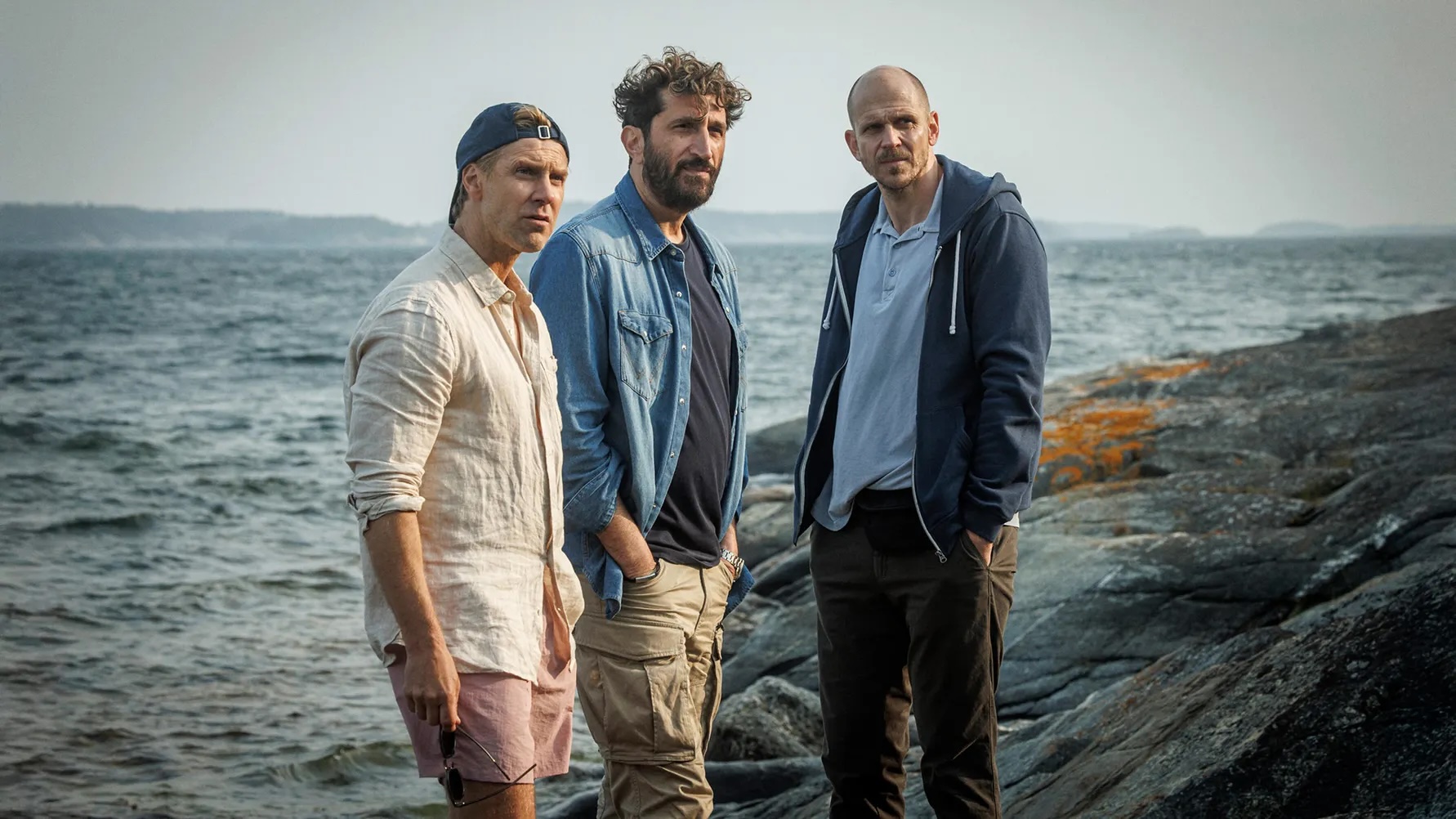
Probably the film that stressed me out the most (along with North Macedonia’s 17, is first-time writer-director Alex Schulman’s outrageous, strangely exhilarating satire, Adult Supervision (Arkipelag). Sure to be divisive, it’s definitely worthy of consideration.
Finland
Markus Lehmusruusu’s absurdist, sci-fi-satire, The Squirrel, is a delightfully bizarre comment on our present by looking towards a ridiculous, but perhaps not so far-fetched tomorrow where nature and animals no longer exist and people aren’t allowed any kind of physical intimacy with one another.
Egypt
Set amidst the explosive and ever-changing Egyptian political landscape, Egyptian-Austrian filmmaker Abu Bakr Shawky has woven together a loving portrait of one raucous family and an unlikely love story, via five interconnected chapters with The Stories, a film about resilience, courage and the power of hope, in a world that offers very little reason to be hopeful.
Syria
Of the many docs in contention this year, Tawfik Sabouni’s The Other Side of the Sun stands out because it brings together five truly courageous men (including himself) who suffered the worst kinds of atrocities during the evil reign of Bashar Al-Assad in Syria. These brave men return to the prison that almost killed them to share their stories.
Malaysia
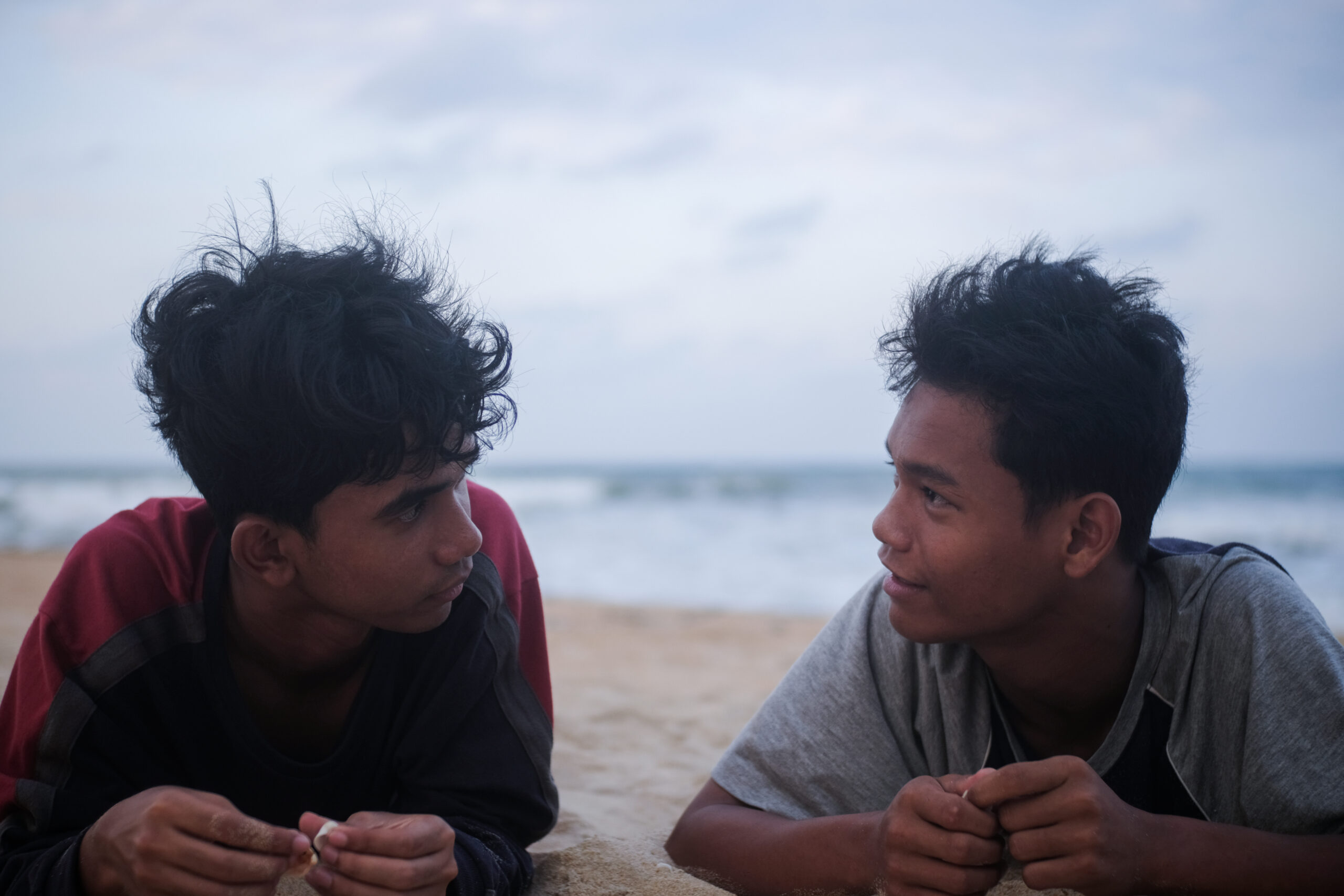
Ali (Idan Aedan) and Amir (Hadi Putra, a revelation in his film debut) are extremely close fraternal twins living in a coastal fishing village, where they’re deadbeat father dumped them. Their strong bond is tested when Lara (Dian Sastrowardoyo), the new English teacher, arrives and takes a special interest in Amir. Writer-director, Woo Ming Jin, a twin himself, captures the complex connection twins have quite astutely in his feature, The Fox King.
Berlinale Golden Bear Winner
Ilker Çatak’s Berlinale Golden Bear-winning film, Yellow Letters is taut and disturbing drama begins promising enough only to lose some of its potency in the movie’s second act. The director is a master at creating tension as well as eliciting terrific performances from his actors.
In addition, I can also recommend In the Land of Arto (Armenia), Child (Luxembourg), No Paradise If You are Killed by a Woman (Iraq), Four Seasons in Java (Indonesia), Riverstone (Sri Lanka), Dua (Kosovo), Zejtune (Malta), Strawberries (Morocco), Flood(Slovakia), Once Upon a Time in the Middle East (China), Gugu’s World (Brazil), Sink (Jordan), Malecón (Cuba) and Broken Vein (Greece).
With more to come, I am certain!
Dates to keep in mind:
International Feature eligibility list: Late November.
Preliminary voting begins Monday, December 7 and ends Friday, December 11, 2026.
Shortlists will be announced on Tuesday, December 15, 2026.