The Second Life of Freddie Nole proves that a car ride can change not just your perspective, but it could literally change your life.
The opening moments of Dana Nachman’s thoughtful portrait of Freddie Nole begins with a trip to a store to pick up clothes for Edward, a gentleman who is about to leave prison after an extensive sentence. When Freddie and his wife, Sue, realize that they have forgotten the paper that has his sizes written on it, they call Sue’s son to retrieve them, and Nachman’s film knows the importance of the little things. Knowing someone’s sizes when you’re selecting a shirt or a pair of pants can mean the world to someone who doesn’t have anything. The same goes for sharing a meal and asking about their day–those things add up. Nachman’s film counts up these little things like they are adding up small pockets of goodwill that can eventually heal your soul.
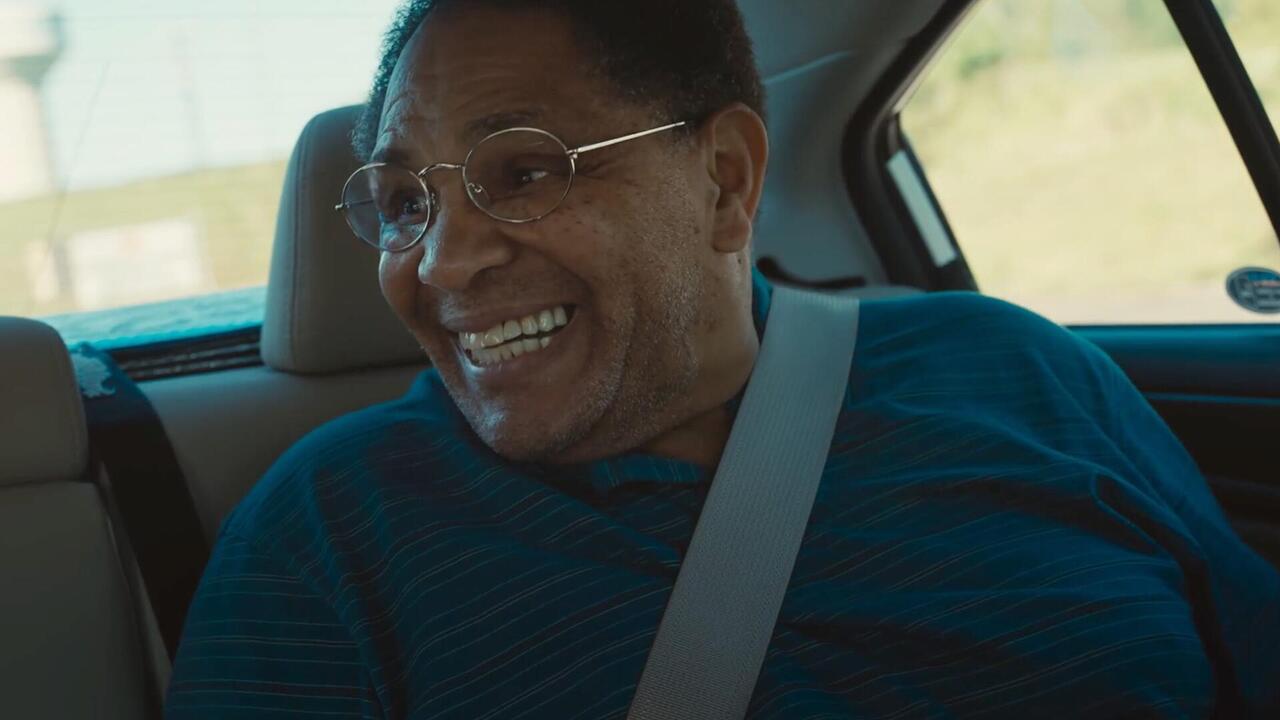
Nole is as remarkable to speak to as he is to watch on screen. There is a heartiness to how Nachman keeps the camera close on his face–it comforting. His organization, Meeting at the Door assists those who are just re-entering the real world from the inside, and Nole describes how they do not harp on the how and the why of one’s incarceration. The purpose is to look forward.
Nachman films Nole in the back seat with Edward as they make their way to a local diner for breakfast. They speak about their own experiences and Nole offers his advice of the things Edward should consider now that he is a free man. Freddie Nole is structured in an unexpected way since Nachman allows us to be charmed by Nole and his work before we even get to know his own history. Most documentaries would take us back to the beginning first and move forward entirely whereas Nachman grants us the permission to get to know Freddie in the same way you would become friends with a stranger. No one walks up to someone they just met and offers up their past in their first talk.
Helping someone begin their life over again doesn’t mean that you have to make a huge, grand gesture. Treating someone with kindness and offering them something like a new pair of jeans or buying them a meal can signal to the goodness existing in the world all around us. Nachman’s humane, gentle film and Nole’s warm presence indicate that you can start anew. You just have to meet someone at the door and welcome them back in.