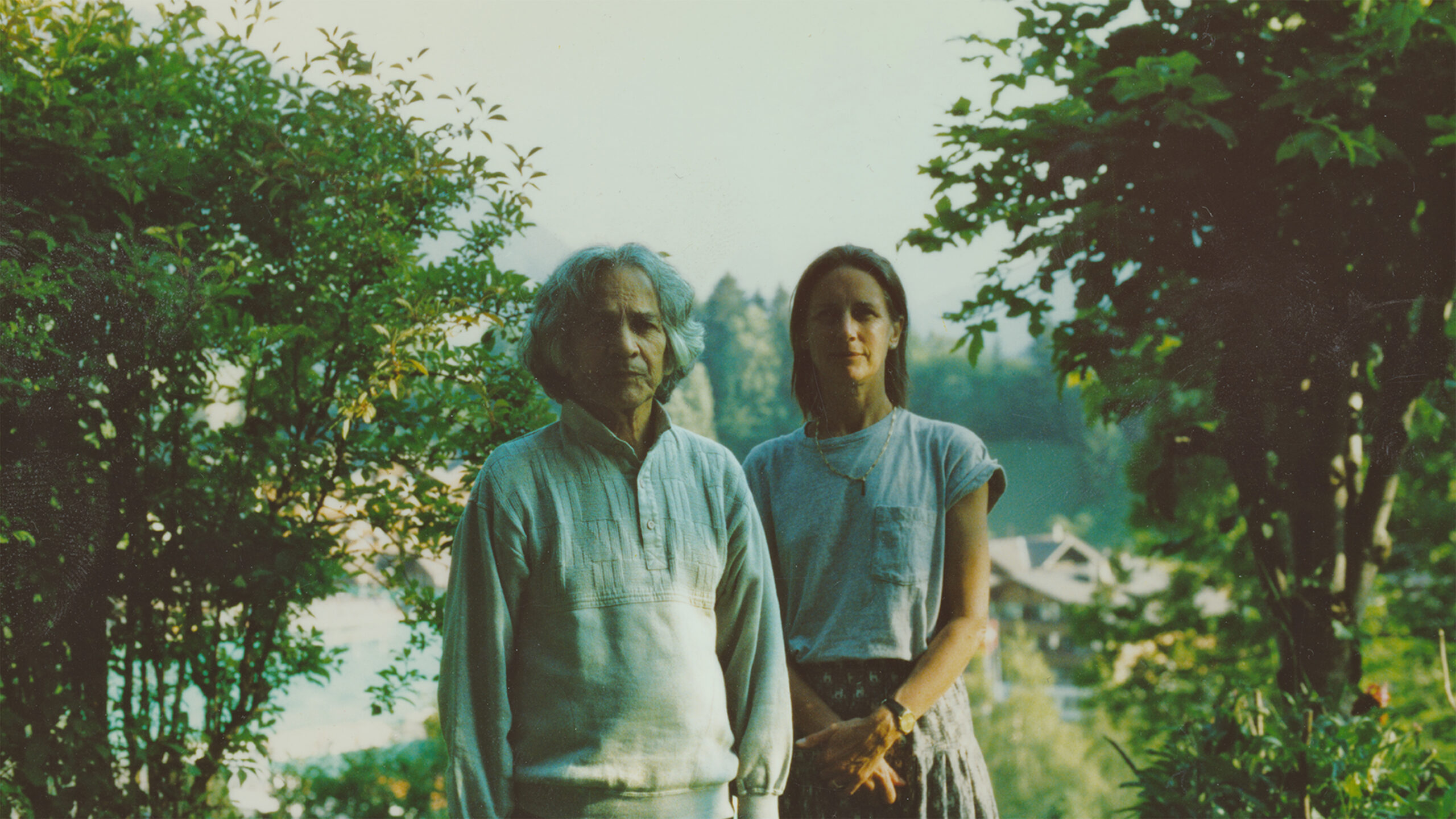
Megan McLachlan reviews some of the documentaries screened at Telluride 2026.
While I didn’t make it in to Nathan Fielder and Lance Oppenheim’s secret screening of their new Elizabeth Holmes documentary You Can See Everything, I did get a chance to some other great documentaries for the 53rd Telluride Film Festival.
Zero Intention of Living Quietly – Directed by Edward Lovelace
Adam Pearson broke out a couple of years ago in Aaron Schimberg’s A Different Man, as an engaging man with neurofibromatosis. In real life, he lives with this condition, something his family became aware of when he bumped his head as a child, and the bump didn’t go away. The condition leaves him with tumors all over his face.
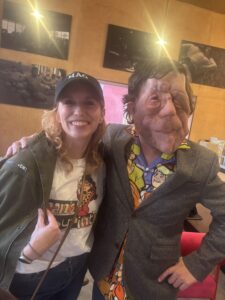
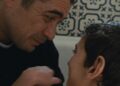
In the vulnerable and beautiful documentary Zero Intention of Living Quietly, Edward Lovelace follows Adam in the time leading up to that breakout role, as he considers whether to pursue the part of Oswald (he rejects the audition at first), as well as his friendship with a pre-teen named Ellie, who also has the condition (her mother reached out to him when she was little). Their connection is one of uncle and niece, mentor and mentee, and as he navigates his own misgivings about himself, he tries to build her up despite his own doubts. In turn, it causes him to reevaluate the way he sees himself.
Lovelace doesn’t shy away from presenting Pearson up close and personal, with cutaways straight on his face, and Pearson in turn puts himself out there in the same way he did as a kid when he dressed as Avril Lavigne for a talent show. His ability to fully live as himself is both his strength and his weakness—only to the bullies who harass him online.
The film bends the documentary genre, with one questioning whether some scenes are dramatizations more than reactions, but the heart of the film remains true, that when others want you to stay out of the spotlight, sometimes the only way to be free is to step into it.
The Natural State – Directed by Matthew Dougherty
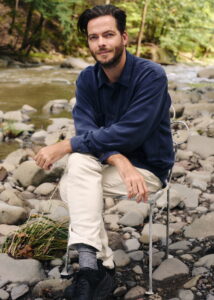
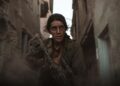
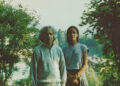
Composer Matthew Dougherty gets behind the camera in an ambitious directorial debut, The Natural State, about Indian guru U. G. Krishnamurti and the woman, Julie Thayer, who devotes a huge chunk of her life following him around (usually with a camera—thus the extensive archival footage), abandoning her family and life in New York. But is he an actual guru? How much of it is all real or what people want to believe?
What is it to be enlightened? To U.G., it would be to completely separate yourself from your ego, and in that case, it means he has no feelings for anyone. There’s a startling revelation where U.G. admits that if Julie’s not in front of him or next to him, he wouldn’t ever think of her ever again. (Yikes.)
There’s a lot going on in this documentary: There’s the mystery around the man at the center, a woman’s journey toward finding her way back to herself, the divisive reaction to his claims, as well as a Salieri/Mozart-esque rivalry between him and J. Krishnamurti (also known as J. K.). The description of U.G. discovering his enlightenment is thrilling. You slowly fall into the intrigue and stories the way Julie got lost in this world, and it can be both fascinating and frustrating, the way you’ll never truly know who he was and whether it was manipulation or an all-knowing understanding we can’t comprehend.
Act 3 – Directed by Christine Molloy and Joe Lawlor
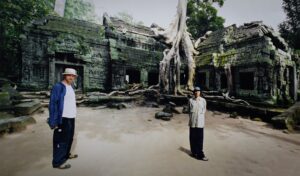
Part travelogue, part film retrospective, part memory exercise, Act 3 completes the trilogy from directors Christine Molloy and Joe Lawlor, starting with Further Beyond and The Future Tense.
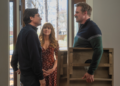
Molloy and Lawlor are great storytellers, and you don’t have to see the first two films to enjoy their look back at a memorable trip to Patong and how it connects to their 2012 film Mister John, starring Aiden Gillen (Game of Thrones). The personal details surrounding the death of Lawlor’s father Jeremiah and how it inspired some of the sense of loss in the film make for a heartfelt confessional.
It’s also interesting to see the artistic process behind a creative project, with the two dissecting scenes from their own work and how the script came to be; the two also have a stilted charm in their back and forth as they reflect on their 40-year marriage. In addition to these narratives, the two weave in the story of two forbidden lovers, Suzanne and Lucy, and how the two artists and Nazi-resistors find themselves on the beautiful island of Jersey before being captured.